
By using this site, you agree to the Privacy Policy and Terms of Use.
Accept
MOTPOST

Smart News for the Social Generation.

  • Home
  • Nigeria
    • Economy & Business
    • Nigeria -focused Opinion
    • Policy & Governance
    • Society & Data
  • Markets
    • Banking & Finance
    • Capital Markets
    • Energy & Commodities
    • Market Data / Charts
    • Trade & Investment
  • World
    • Africa
    • Geopolitics
    • Global Economy
    • International Markets
  • Explainers
    • Data & Statistics Stories
    • Policy Explainers
    • Research Summaries
    • Visual / Video Explainers
  • Culture
    • Entertainment Economy
    • People & Public Life
    • Pop Culture & Influence
    • Social Pulse
Reading: Why Will FAAC Now Receive 100% of Nigeria’s Oil Profits? Tinubu’s New Order Explained
Share
MOTPOSTMOTPOST
Font ResizerAa
Search
  • Home
  • Nigeria
    • Economy & Business
    • Nigeria -focused Opinion
    • Policy & Governance
    • Society & Data
  • Markets
    • Banking & Finance
    • Capital Markets
    • Energy & Commodities
    • Market Data / Charts
    • Trade & Investment
  • World
    • Africa
    • Geopolitics
    • Global Economy
    • International Markets
  • Explainers
    • Data & Statistics Stories
    • Policy Explainers
    • Research Summaries
    • Visual / Video Explainers
  • Culture
    • Entertainment Economy
    • People & Public Life
    • Pop Culture & Influence
    • Social Pulse
Follow US
  • Home
  • About Us
  • Contact
  • InterestsNew
  • My Bookmark
© 2026 MOTPOST. All Rights Reserved
MOTPOST > Nigeria > Policy & Governance > Why Will FAAC Now Receive 100% of Nigeria’s Oil Profits? Tinubu’s New Order Explained
NigeriaPolicy & Governance

Why Will FAAC Now Receive 100% of Nigeria’s Oil Profits? Tinubu’s New Order Explained

Oladipupo Tijani
Last updated: March 14, 2026 12:52 pm
Oladipupo Tijani
Published: March 14, 2026
Share
SHARE

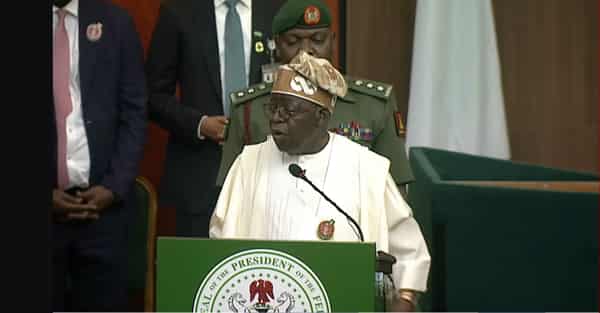
Nigeria’s revenue sharing system is set for a major shift after an executive order signed by Bola Ahmed Tinubu directed that all profits from crude oil sales be paid directly into the federation account.

Contents
  • What FAAC Does
  • Why This Change Matters

The funds will be distributed through the Federation Account Allocation Committee, commonly known as FAAC, which shares federal revenue among the federal government, states, and local governments.

Previously, profits from oil operations were first retained by the Nigerian National Petroleum Company Limited to cover operational costs and other financial obligations before remitting what remained to the federation account.

Under the new directive, 100% of the profit component from crude oil sales must now go straight to the federation account, meaning it becomes part of the pool shared among the three tiers of government.

What FAAC Does

FAAC meets every month to distribute national revenue collected from sources such as:

crude oil sales

taxes collected by federal agencies

customs duties

other government income

The money is then shared using an agreed formula among the federal government, 36 states, and 774 local governments.

Why This Change Matters

Supporters of the move say the new rule could increase transparency and revenue available for distribution, especially at a time when many Nigerian states rely heavily on FAAC allocations to fund salaries and public services.

It is also linked to reforms introduced under the Petroleum Industry Act, which transformed the former NNPC into a commercially run company expected to operate like a profit-making corporation.

Editorial Note:
If implemented as planned, the directive means oil profits will go directly into Nigeria’s central revenue pool, potentially increasing the amount shared each month with states and local governments.

Sources: Nigerian financial media reports on the executive directive affecting NNPC profit remittances and FAAC revenue distribution under the Petroleum Industry Act.

“No More Naira Devaluation?” What the CBN Governor’s Message Really Means for Nigeria
Benefits of Yoga: 10 Ways Your Practice Can Improve Your Life
18 Top Fall Fashion Trends from New York Fashion
Could You Be Blacklisted From Banking? Nigeria Introduces New Fraud Watchlist
Are You Owing the Bank? CBN Moves to Shut Loan Defaulters Out of Key Banking Services
Share This Article
Facebook Email Print
Leave a Comment

Leave a Reply Cancel reply

Your email address will not be published. Required fields are marked *

Follow US

Find US on Social Medias
FacebookLike
XFollow
InstagramFollow
TiktokFollow

Weekly Newsletter

Subscribe to our newsletter to get our newest articles instantly!
Popular News
Banking & FinanceEconomy & BusinessNigeriaPolicy & GovernancePolicy Explainers

“No More Naira Devaluation?” What the CBN Governor’s Message Really Means for Nigeria

Oladipupo Tijani
Oladipupo Tijani
March 15, 2026
Why Nigeria’s Dollar Debt Is Suddenly Getting More Expensive
Can Your Banking App Work on Only One Phone? Nigeria’s New Policy Explained
Top Trump Counterterrorism Official Joe Kent Resigns Over Iran. Could This Signal Deeper Cracks Inside the U.S.?
Iran-U.S. Conflict: UAE death toll at 8, injuries at 157 since February 28
- Advertisement -
Ad imageAd image
MOTPOST

MOTPOST delivers clear, data-driven journalism on Nigeria, markets, and world affairs for informed decisions daily.

Facebook X-twitter Tiktok Linkedin Instagram
Quick Link
  • Home
  • About Us
  • Contact
  • InterestsNew
  • My Bookmark
Top Categories
  • Culture
  • Explainers
  • Markets
  • Nigeria
  • World

Subscribe to Us

Subscribe to our email newsletter for latest news & updates.

© 2026 MOTPOST. All Rights Reserved.

  • Privacy Policy
  • Terms and Conditions
Motpost
Welcome Back!

Sign in to your account

Username or Email Address
Password

Lost your password?

