
By using this site, you agree to the Privacy Policy and Terms of Use.
Accept
MOTPOST

Smart News for the Social Generation.

  • Home
  • Nigeria
    • Economy & Business
    • Nigeria -focused Opinion
    • Policy & Governance
    • Society & Data
  • Markets
    • Banking & Finance
    • Capital Markets
    • Energy & Commodities
    • Market Data / Charts
    • Trade & Investment
  • World
    • Africa
    • Geopolitics
    • Global Economy
    • International Markets
  • Explainers
    • Data & Statistics Stories
    • Policy Explainers
    • Research Summaries
    • Visual / Video Explainers
  • Culture
    • Entertainment Economy
    • People & Public Life
    • Pop Culture & Influence
    • Social Pulse
Reading: What’s the Real Difference Between Iranian Oil and Venezuelan Oil and Why the World Still Buys Iran’s
Share
MOTPOSTMOTPOST
Font ResizerAa
Search
  • Home
  • Nigeria
    • Economy & Business
    • Nigeria -focused Opinion
    • Policy & Governance
    • Society & Data
  • Markets
    • Banking & Finance
    • Capital Markets
    • Energy & Commodities
    • Market Data / Charts
    • Trade & Investment
  • World
    • Africa
    • Geopolitics
    • Global Economy
    • International Markets
  • Explainers
    • Data & Statistics Stories
    • Policy Explainers
    • Research Summaries
    • Visual / Video Explainers
  • Culture
    • Entertainment Economy
    • People & Public Life
    • Pop Culture & Influence
    • Social Pulse
Follow US
  • Home
  • About Us
  • Contact
  • InterestsNew
  • My Bookmark
© 2026 MOTPOST. All Rights Reserved
MOTPOST > World > Global Economy > What’s the Real Difference Between Iranian Oil and Venezuelan Oil and Why the World Still Buys Iran’s
Global EconomyWorld

What’s the Real Difference Between Iranian Oil and Venezuelan Oil and Why the World Still Buys Iran’s

Mariam Tijani
Last updated: March 12, 2026 11:02 pm
Mariam Tijani
Published: March 12, 2026
Share
SHARE

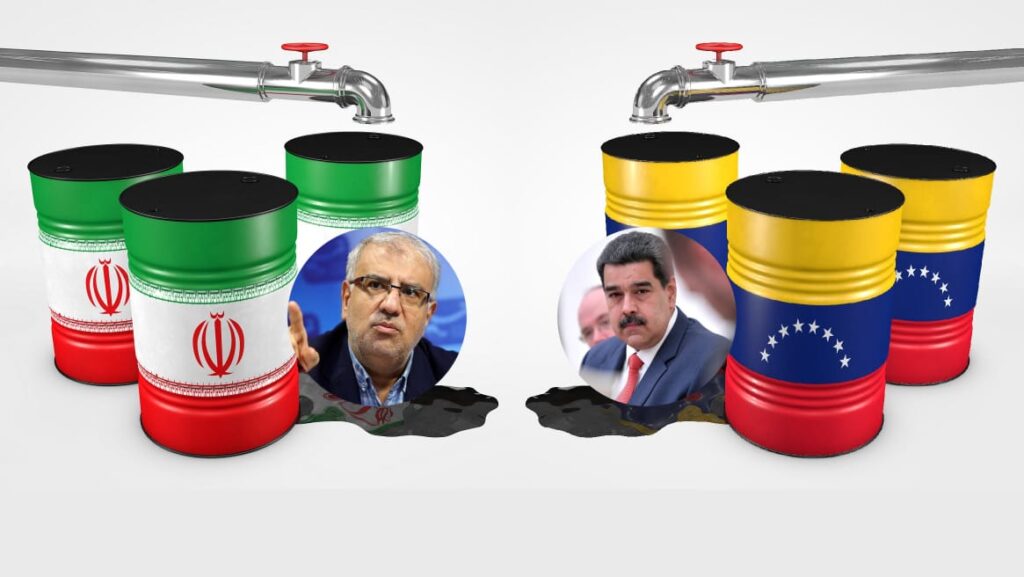
Oil isn’t all the same. Crude varies in weight and chemical makeup, and that affects how and where it’s used. Iranian oil generally sits in the medium to medium‑light range with moderate sulfur levels, which means it’s easier for many refineries to process into gasoline, diesel and other products without huge extra cost.
What’s the Real Difference Between Iranian Oil and Venezuelan Oil and Why the World Still Buys Iran’s?

Oil isn’t all the same. Crude varies in weight and chemical makeup, and that affects how and where it’s used. Iranian oil generally sits in the medium to medium‑light range with moderate sulfur levels, which means it’s easier for many refineries to process into gasoline, diesel and other products without huge extra cost.

Venezuela’s crude, especially from the Orinoco Belt, is very heavy and high in sulfur, almost like a tar‑like substance. It needs specialised refining units like cokers and complex equipment just to turn it into finished fuels. That makes it harder and more expensive for many refineries to use.

Because of this, Iranian crude hits a “sweet spot” for a lot of Asian and global refiners not too light, not too heavy and yields decent quantities of valuable products without major processing changes. That balance keeps it in demand even when sanctions are in place.

Venezuela still has the world’s biggest proven oil reserves, but its production capacity and export volumes have dropped sharply in recent years due to political turmoil, lack of investment and infrastructure issues. These combined factors mean its oil doesn’t flow to the market as freely.

Iran’s crude also often trades at a discount to global benchmarks, making it attractive to buyers like China’s independent “teapot” refineries that specialise in handling heavier grades and price‑sensitive imports.

In short:

  • Iranian oil fits many refineries’ designs and is cheaper to buy so demand stays strong.
  • Venezuelan oil is heavier, harder to refine and more export constrained.
Which Countries Are Now Seeking Oil Deals With Iran as the Strait of Hormuz Crisis Deepens?
Flight Risk or Criminal Risk? Why This BA Pilot Is Now Under Arrest”
Medicaid Expansion Improves Hypertension and Diabetes Control
No More Pause. Iran Moves to Continuous Attacks
Could This Be the Turning Point? Iran Says Tech & Banks Are Now Targets in the Gulf
TAGGED:crudeoilTechnologywar
Share This Article
Facebook Email Print
Leave a Comment

Leave a Reply Cancel reply

Your email address will not be published. Required fields are marked *

Follow US

Find US on Social Medias
FacebookLike
XFollow
InstagramFollow
TiktokFollow

Weekly Newsletter

Subscribe to our newsletter to get our newest articles instantly!
Popular News
Global EconomyWorld

Could Spain’s Ambassador Withdrawal Be a Game-Changer in the Middle East?

Mariam Tijani
Mariam Tijani
March 12, 2026
Which Countries Are Now Seeking Oil Deals With Iran as the Strait of Hormuz Crisis Deepens?
Nigeria Could Be Headed for Worse Blackouts Yet. Here’s Why
Africa Says “We’re Rated Unfairly”. Why Global Credit Scores Matter to Nigerian Wallets
What Are Some Ways to Prevent the Spread of COVID-19?
- Advertisement -
Ad imageAd image
MOTPOST

MOTPOST delivers clear, data-driven journalism on Nigeria, markets, and world affairs for informed decisions daily.

Facebook X-twitter Tiktok Linkedin Instagram
Quick Link
  • Home
  • About Us
  • Contact
  • InterestsNew
  • My Bookmark
Top Categories
  • Culture
  • Explainers
  • Markets
  • Nigeria
  • World

Subscribe to Us

Subscribe to our email newsletter for latest news & updates.

© 2026 MOTPOST. All Rights Reserved.

  • Privacy Policy
  • Terms and Conditions
Motpost
Welcome Back!

Sign in to your account

Username or Email Address
Password

Lost your password?

