
By using this site, you agree to the Privacy Policy and Terms of Use.
Accept
MOTPOST

Smart News for the Social Generation.

  • Home
  • Nigeria
    • Economy & Business
    • Nigeria -focused Opinion
    • Policy & Governance
    • Society & Data
  • Markets
    • Banking & Finance
    • Capital Markets
    • Energy & Commodities
    • Market Data / Charts
    • Trade & Investment
  • World
    • Africa
    • Geopolitics
    • Global Economy
    • International Markets
  • Explainers
    • Data & Statistics Stories
    • Policy Explainers
    • Research Summaries
    • Visual / Video Explainers
  • Culture
    • Entertainment Economy
    • People & Public Life
    • Pop Culture & Influence
    • Social Pulse
Reading: Iran-U.S. War. Why Trump Talks Constantly to the Media: A Psychological Explanation
Share
MOTPOSTMOTPOST
Font ResizerAa
Search
  • Home
  • Nigeria
    • Economy & Business
    • Nigeria -focused Opinion
    • Policy & Governance
    • Society & Data
  • Markets
    • Banking & Finance
    • Capital Markets
    • Energy & Commodities
    • Market Data / Charts
    • Trade & Investment
  • World
    • Africa
    • Geopolitics
    • Global Economy
    • International Markets
  • Explainers
    • Data & Statistics Stories
    • Policy Explainers
    • Research Summaries
    • Visual / Video Explainers
  • Culture
    • Entertainment Economy
    • People & Public Life
    • Pop Culture & Influence
    • Social Pulse
Follow US
  • Home
  • About Us
  • Contact
  • InterestsNew
  • My Bookmark
© 2026 MOTPOST. All Rights Reserved
MOTPOST > Culture > People & Public Life > Iran-U.S. War. Why Trump Talks Constantly to the Media: A Psychological Explanation
People & Public LifeWorld

Iran-U.S. War. Why Trump Talks Constantly to the Media: A Psychological Explanation

Oladipupo Tijani
Last updated: March 17, 2026 2:45 pm
Oladipupo Tijani
Published: March 17, 2026
Share
SHARE

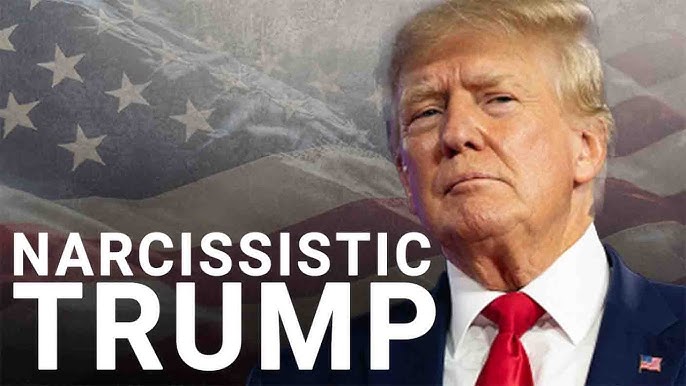
Since the Iran–U.S. war expanded, former President Donald Trump has been extremely visible in interviews, speeches, and social media posts, often commenting on the conflict multiple times a day. To understand why a political leader behaves this way, psychology points to a key trait often studied in leadership research: narcissism.

In psychology, narcissism describes a personality style marked by an intense need for attention, admiration, and control over how others see you. Modern research finds that individuals with strong narcissistic traits tend to seek out leadership roles and public platforms because these positions satisfy their drive for recognition and influence. This is true even in stressful contexts like war, where visibility and messaging are high‑stakes. Leaders with these traits often use constant communication to reinforce their authority, shape public perception, and maintain a sense of control during uncertainty.

Experts note that narcissistic leaders project confidence and certainty attributes many followers find reassuring during crises but this often belies underlying insecurity or a deep need for approval. For instance, research described in Forbes explains that what looks like bold self‑assurance in narcissistic leaders can actually mask internal ego fragility or insecurity, prompting them to double down on public communication to sustain support and fend off criticism.

During the Iran–U.S. war, Trump’s frequent media appearances, unfiltered social media activity, and repeated reassurances that the conflict will “wrap up soon” can be seen through this lens. By staying constantly in the public eye, such leaders are not just reporting information they are shaping the narrative and reinforcing their image as decisive and in control. In political psychology, this behaviour is consistent with the way narcissistic figures respond in crisis: they cling to attention because it feeds both their public legitimacy and their self‑perception of leadership.

In short, Trump’s media omnipresence during the war aligns with psychological patterns associated with narcissistic leadership. While it may rally supporters by projecting strength, it also reflects a deeper drive to control public narrative, sustain validation, and influence how history records the crisis all hallmarks of this personality style as observed in leadership research.

What Are Some Ways to Prevent the Spread of COVID-19?
People in the Northeast Could Prevent a Covid-19 by Following These Measures
Global Stocks Are Moving in Three Different Directions
Follow the Money. Who Is Quietly Profiting From the U.S.–Iran Conflict?
Taking Painkillers Daily? Your Kidneys Could Be Quietly Failing
Share This Article
Facebook Email Print
Leave a Comment

Leave a Reply Cancel reply

Your email address will not be published. Required fields are marked *

Follow US

Find US on Social Medias
FacebookLike
XFollow
InstagramFollow
TiktokFollow

Weekly Newsletter

Subscribe to our newsletter to get our newest articles instantly!
Popular News
NigeriaPeople & Public Life

Taking Painkillers Daily? Your Kidneys Could Be Quietly Failing

Oladipupo Tijani
Oladipupo Tijani
March 15, 2026
An Indian man harassed a Russian model.
What’s the Real Difference Between Iranian Oil and Venezuelan Oil and Why the World Still Buys Iran’s
Why Iran Keeps Hitting the UAE More Than Any Other Gulf Country
How Rising Oil Prices Are Helping the Naira
- Advertisement -
Ad imageAd image
MOTPOST

MOTPOST delivers clear, data-driven journalism on Nigeria, markets, and world affairs for informed decisions daily.

Facebook X-twitter Tiktok Linkedin Instagram
Quick Link
  • Home
  • About Us
  • Contact
  • InterestsNew
  • My Bookmark
Top Categories
  • Culture
  • Explainers
  • Markets
  • Nigeria
  • World

Subscribe to Us

Subscribe to our email newsletter for latest news & updates.

© 2026 MOTPOST. All Rights Reserved.

  • Privacy Policy
  • Terms and Conditions
Motpost
Welcome Back!

Sign in to your account

Username or Email Address
Password

Lost your password?

