
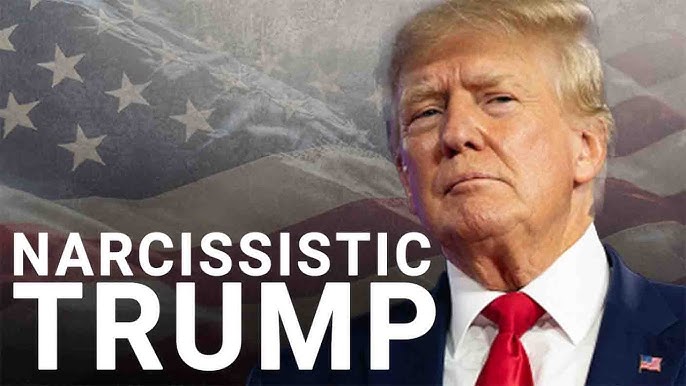

Since the Iran–U.S. war expanded, former President Donald Trump has been extremely visible in interviews, speeches, and social media posts, often commenting on the conflict multiple times a day. To understand why a political leader behaves this way, psychology points to a key trait often studied in leadership research: narcissism.
In psychology, narcissism describes a personality style marked by an intense need for attention, admiration, and control over how others see you. Modern research finds that individuals with strong narcissistic traits tend to seek out leadership roles and public platforms because these positions satisfy their drive for recognition and influence. This is true even in stressful contexts like war, where visibility and messaging are high‑stakes. Leaders with these traits often use constant communication to reinforce their authority, shape public perception, and maintain a sense of control during uncertainty.
Experts note that narcissistic leaders project confidence and certainty attributes many followers find reassuring during crises but this often belies underlying insecurity or a deep need for approval. For instance, research described in Forbes explains that what looks like bold self‑assurance in narcissistic leaders can actually mask internal ego fragility or insecurity, prompting them to double down on public communication to sustain support and fend off criticism.
During the Iran–U.S. war, Trump’s frequent media appearances, unfiltered social media activity, and repeated reassurances that the conflict will “wrap up soon” can be seen through this lens. By staying constantly in the public eye, such leaders are not just reporting information they are shaping the narrative and reinforcing their image as decisive and in control. In political psychology, this behaviour is consistent with the way narcissistic figures respond in crisis: they cling to attention because it feeds both their public legitimacy and their self‑perception of leadership.
In short, Trump’s media omnipresence during the war aligns with psychological patterns associated with narcissistic leadership. While it may rally supporters by projecting strength, it also reflects a deeper drive to control public narrative, sustain validation, and influence how history records the crisis all hallmarks of this personality style as observed in leadership research.