
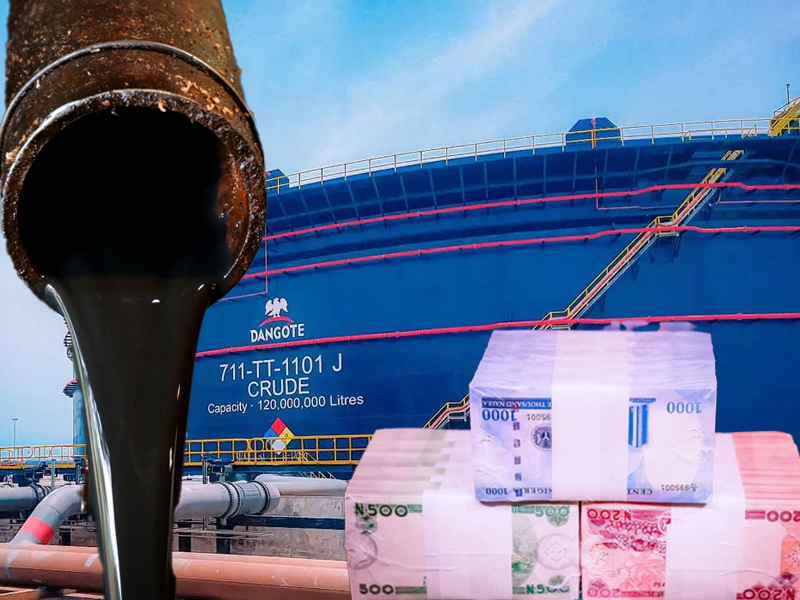

State governments in Nigeria are demanding a forensic audit of about $8.8 billion in crude-for-loan agreements tied to the state oil company Nigerian National Petroleum Company Limited. The issue is not that the deals are new. Many were signed between 2019 and 2023, but their long-term impact on national oil revenue is now drawing scrutiny.
Under these arrangements, Nigeria secured loans from international lenders by pledging future crude oil production as repayment. According to industry reports, roughly 270,000 barrels of crude oil per day have been committed to servicing these debts. That translates to about 8 million barrels each month used to repay loans instead of generating fresh revenue for government coffers.
These facilities include projects widely referred to in industry disclosures as Project Gazelle, Project Eagle Export Funding, Project Panther, and Project Bison, which were structured over several years to help Nigeria raise foreign exchange and fund government obligations during periods of fiscal pressure and declining oil revenue.
Why States Are Raising Alarm Now
Revenue from oil is shared among federal, state, and local governments through the Federation Account Allocation Committee. When crude production is already committed to repay loans, less oil revenue reaches the federation account, which means states receive smaller allocations.
State officials are therefore asking three basic questions:
• How much future oil production is still tied to these loans?
• What exact terms were agreed with lenders?
• Did Nigeria receive full value from the financing arrangements?
The Governance Issue Behind the Debate
Economists say crude-for-loan deals are not unusual in commodity-exporting countries. Governments sometimes use them to secure cash quickly when revenues fall. However, the arrangements can create problems when transparency is limited.
Concerns often arise around:
- Limited disclosure of contract terms
- Future revenue being locked away for years
- Oversight gaps between institutions managing oil income
For ordinary Nigerians, the concept is simple: some of the country’s future oil has already been promised to lenders years in advance, which reduces how much cash the government receives from each barrel produced today.
Why It Matters
Oil remains Nigeria’s largest source of foreign exchange and public revenue. If a significant portion of production is already committed to servicing debt, it affects government spending, state allocations, and fiscal flexibility for years to come.
That is why states are now pushing for a forensic audit not to examine a new deal, but to understand the full impact of agreements signed over the past several years.
Sources: Investigations and reporting by Nigerian financial and energy media on crude-backed financing arrangements involving the Nigerian National Petroleum Company Limited and allocations discussed within the Federation Account Allocation Committee framework.