
By using this site, you agree to the Privacy Policy and Terms of Use.
Accept
MOTPOST

Smart News for the Social Generation.

  • Home
  • Nigeria
    • Economy & Business
    • Nigeria -focused Opinion
    • Policy & Governance
    • Society & Data
  • Markets
    • Banking & Finance
    • Capital Markets
    • Energy & Commodities
    • Market Data / Charts
    • Trade & Investment
  • World
    • Africa
    • Geopolitics
    • Global Economy
    • International Markets
  • Explainers
    • Data & Statistics Stories
    • Policy Explainers
    • Research Summaries
    • Visual / Video Explainers
  • Culture
    • Entertainment Economy
    • People & Public Life
    • Pop Culture & Influence
    • Social Pulse
Reading: Top Trump Counterterrorism Official Joe Kent Resigns Over Iran. Could This Signal Deeper Cracks Inside the U.S.?
Share
MOTPOSTMOTPOST
Font ResizerAa
Search
  • Home
  • Nigeria
    • Economy & Business
    • Nigeria -focused Opinion
    • Policy & Governance
    • Society & Data
  • Markets
    • Banking & Finance
    • Capital Markets
    • Energy & Commodities
    • Market Data / Charts
    • Trade & Investment
  • World
    • Africa
    • Geopolitics
    • Global Economy
    • International Markets
  • Explainers
    • Data & Statistics Stories
    • Policy Explainers
    • Research Summaries
    • Visual / Video Explainers
  • Culture
    • Entertainment Economy
    • People & Public Life
    • Pop Culture & Influence
    • Social Pulse
Follow US
  • Home
  • About Us
  • Contact
  • InterestsNew
  • My Bookmark
© 2026 MOTPOST. All Rights Reserved
MOTPOST > World > Geopolitics > Top Trump Counterterrorism Official Joe Kent Resigns Over Iran. Could This Signal Deeper Cracks Inside the U.S.?
GeopoliticsWorld

Top Trump Counterterrorism Official Joe Kent Resigns Over Iran. Could This Signal Deeper Cracks Inside the U.S.?

Oladipupo Tijani
Last updated: March 18, 2026 12:31 am
Oladipupo Tijani
Published: March 18, 2026
Share
SHARE

When a country goes to war, you expect disagreement outside government.

What is harder to ignore is when it comes from inside the system itself.

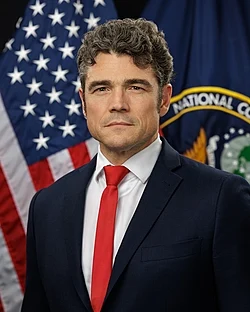
That is what makes the resignation of Joe Kent so significant. As head of the National Counterterrorism Center, he sat at the core of U.S. intelligence. His job was to assess threats and coordinate responses.

Yet he walked away, saying the Iran war did not meet that basic test. He stated clearly that Iran posed “no imminent threat” to the United States and that he could not support the conflict.

That statement cuts straight to the foundation of the war.

Wars are built on intelligence. If the official responsible for analysing threats says the threat is not there, it creates a gap between policy and evidence. And once that gap becomes public, it is difficult to contain.

It also raises a deeper issue inside Washington. This is not just disagreement over strategy. It points to a possible split over who shapes U.S. foreign policy decisions and how those decisions are justified. Kent even suggested the war was influenced by external pressure, not direct national risk.

That kind of claim does not stay technical. It moves into politics, public trust, and how allies read the situation.

For U.S. partners, the signal is subtle but important. If intelligence leaders are not aligned with the case for war, then the reliability of that case becomes a question. Countries that depend on U.S. assessments may begin to hesitate.

At home, the impact is even sharper. The Iran war was already politically sensitive. A resignation like this gives critics a clear argument: the justification itself is being challenged from within.

And history tends to follow a pattern. The first high-level resignation during a conflict often sets the tone. If the war stretches on or costs rise, others inside the system may begin to speak up, whether publicly or behind closed doors.

So this is not only about one official stepping down.

It is about what happens when the person tasked with identifying threats says, in effect,
“This one doesn’t add up.”

Inside Iran’s Secret “Drone Tunnels.” Why the World Is Paying Attention
Could This Be Why Trump Isn’t Ending the Iran War Yet?
What Are Some Ways to Prevent the Spread of COVID-19?
Self-Driving Cars: Everything You Need to Know
What Can Global Leaders Learn From the Years-Long Surveillance That Tracked Khamenei?
Share This Article
Facebook Email Print
Leave a Comment

Leave a Reply Cancel reply

Your email address will not be published. Required fields are marked *

Follow US

Find US on Social Medias
FacebookLike
XFollow
InstagramFollow
TiktokFollow

Weekly Newsletter

Subscribe to our newsletter to get our newest articles instantly!
Popular News
Capital MarketsNigeria

When Executives Buy Big: How Insider Share Purchases Are Shaking Nigeria’s Stock Market

Oladipupo Tijani
Oladipupo Tijani
March 17, 2026
Benefits of Yoga: 10 Ways Your Practice Can Improve Your Life
Inside Iran’s Secret “Drone Tunnels.” Why the World Is Paying Attention
Taking Painkillers Daily? Your Kidneys Could Be Quietly Failing
18 Top Fall Fashion Trends from New York Fashion
- Advertisement -
Ad imageAd image
MOTPOST

MOTPOST delivers clear, data-driven journalism on Nigeria, markets, and world affairs for informed decisions daily.

Facebook X-twitter Tiktok Linkedin Instagram
Quick Link
  • Home
  • About Us
  • Contact
  • InterestsNew
  • My Bookmark
Top Categories
  • Culture
  • Explainers
  • Markets
  • Nigeria
  • World

Subscribe to Us

Subscribe to our email newsletter for latest news & updates.

© 2026 MOTPOST. All Rights Reserved.

  • Privacy Policy
  • Terms and Conditions
Motpost
Welcome Back!

Sign in to your account

Username or Email Address
Password

Lost your password?

