
By using this site, you agree to the Privacy Policy and Terms of Use.
Accept
MOTPOST

Smart News for the Social Generation.

  • Home
  • Nigeria
    • Economy & Business
    • Nigeria -focused Opinion
    • Policy & Governance
    • Society & Data
  • Markets
    • Banking & Finance
    • Capital Markets
    • Energy & Commodities
    • Market Data / Charts
    • Trade & Investment
  • World
    • Africa
    • Geopolitics
    • Global Economy
    • International Markets
  • Explainers
    • Data & Statistics Stories
    • Policy Explainers
    • Research Summaries
    • Visual / Video Explainers
  • Culture
    • Entertainment Economy
    • People & Public Life
    • Pop Culture & Influence
    • Social Pulse
Reading: Lagos Housing Crisis Forces UNILAG Lecturers to Sleep in Offices. Here’s Why It’s Happening
Share
MOTPOSTMOTPOST
Font ResizerAa
Search
  • Home
  • Nigeria
    • Economy & Business
    • Nigeria -focused Opinion
    • Policy & Governance
    • Society & Data
  • Markets
    • Banking & Finance
    • Capital Markets
    • Energy & Commodities
    • Market Data / Charts
    • Trade & Investment
  • World
    • Africa
    • Geopolitics
    • Global Economy
    • International Markets
  • Explainers
    • Data & Statistics Stories
    • Policy Explainers
    • Research Summaries
    • Visual / Video Explainers
  • Culture
    • Entertainment Economy
    • People & Public Life
    • Pop Culture & Influence
    • Social Pulse
Follow US
  • Home
  • About Us
  • Contact
  • InterestsNew
  • My Bookmark
© 2026 MOTPOST. All Rights Reserved
MOTPOST > Nigeria > Economy & Business > Lagos Housing Crisis Forces UNILAG Lecturers to Sleep in Offices. Here’s Why It’s Happening
Economy & BusinessNigeriaUncategorized

Lagos Housing Crisis Forces UNILAG Lecturers to Sleep in Offices. Here’s Why It’s Happening

Oladipupo Tijani
Last updated: March 14, 2026 2:46 pm
Oladipupo Tijani
Published: March 14, 2026
Share
SHARE

Nearly 40 percent of lecturers at the University of Lagos are reportedly sleeping in their offices because rising housing costs in Lagos have outpaced their incomes, according to Professor Timothy Nubi. (businessday.ng)

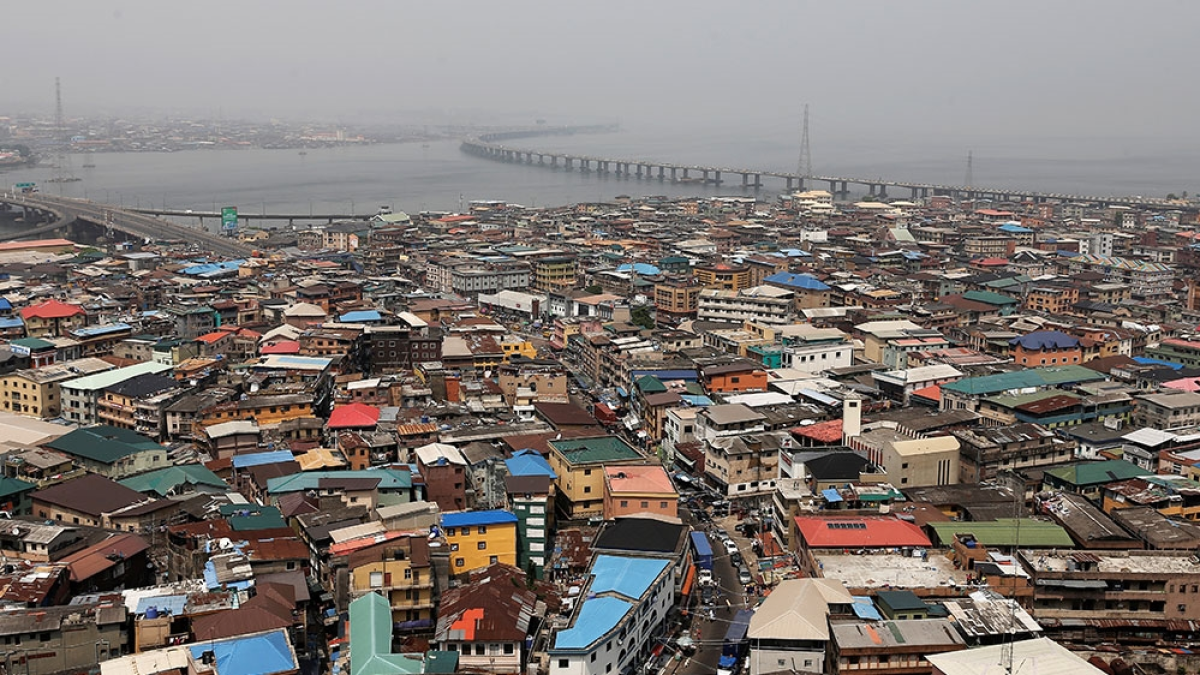
Here’s what’s driving it. Lagos is one of Africa’s most expensive cities, and demand for housing near major employment centers like UNILAG has surged. Rents for basic two‑bedroom apartments in areas near campus can reach about ₦3.5 million per year roughly equivalent to several months of a typical lecturer’s salary in Nigeria. For many junior lecturers, annual take home earnings can be below that figure, forcing impossible choices between housing and other essentials.

Put simply: when rent consumes a huge share of income, professionals have to improvise. Some lecturers have resorted to using their offices as places to sleep and rest, returning daily to lectures after spending nights on campus.

Economists say this situation reflects a broader affordability crisis in Nigeria’s largest urban economy:

High housing demand. Nigeria’s urban population is growing faster than new homes are being built.

Low wage growth. Salaries for public‑sector workers like lecturers have not kept pace with inflation and rising living costs.Limited affordable supply. Few housing developments are priced within reach of middle‑income earners.

The combination means many workers, not just lecturers, struggle to secure stable housing near where they work.

Why this matters

Stable housing is not merely a comfort; it affects productivity, health, and family stability. When professionals sleep at work because they can’t afford rent, it signals deep economic stress in the city’s labour market and housing sector.

Sources: BusinessDay reporting on UNILAG lecturers and remarks by Professor Timothy Nubi, contextualised with broader data on Lagos housing costs and wage pressures.

18 Top Fall Fashion Trends from New York Fashion
CBN Taps AI to Crush Money Laundering in Nigeria. What You Need to Know
When the Lights Go Out, Diesel Becomes King: How Poor Power Makes Fuel Even Pricier in Nigeria
No Petrol Price Cap. FG Says Global Oil Market Will Decide What Nigerians Pay
Taking Painkillers Daily? Your Kidneys Could Be Quietly Failing
Share This Article
Facebook Email Print
Leave a Comment

Leave a Reply Cancel reply

Your email address will not be published. Required fields are marked *

Follow US

Find US on Social Medias
FacebookLike
XFollow
InstagramFollow
TiktokFollow

Weekly Newsletter

Subscribe to our newsletter to get our newest articles instantly!
Popular News
Global EconomyWorld

What’s the Real Difference Between Iranian Oil and Venezuelan Oil and Why the World Still Buys Iran’s

Mariam Tijani
Mariam Tijani
March 12, 2026
“No More Naira Devaluation?” What the CBN Governor’s Message Really Means for Nigeria
Why Are Nigerian States Probing an $8.8bn Oil-Backed Loan Deal Signed Years Ago?
Airport Cashless Drama Hits Nigerians Hard . What You Didn’t Hear in the Official Papers
₦198 Billion Less Cash in Circulation: What the New CBN Numbers Mean
- Advertisement -
Ad imageAd image
MOTPOST

MOTPOST delivers clear, data-driven journalism on Nigeria, markets, and world affairs for informed decisions daily.

Facebook X-twitter Tiktok Linkedin Instagram
Quick Link
  • Home
  • About Us
  • Contact
  • InterestsNew
  • My Bookmark
Top Categories
  • Culture
  • Explainers
  • Markets
  • Nigeria
  • World

Subscribe to Us

Subscribe to our email newsletter for latest news & updates.

© 2026 MOTPOST. All Rights Reserved.

  • Privacy Policy
  • Terms and Conditions
Motpost
Welcome Back!

Sign in to your account

Username or Email Address
Password

Lost your password?

