
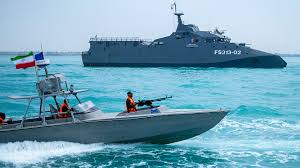

The Strait of Hormuz is a key passage for global oil and goods, but rising tensions have made it risky for ships to pass. Importers are now finding new ways to keep supply chains moving.
Many cargoes are being redirected to Gulf ports outside the strait, like Fujairah, Khor Fakkan, and Sohar, then moved inland by truck or train. Some logistics firms are staging goods at ports in India or Pakistan before sending them onward.
For oil, pipelines such as the UAE’s Habshan‑Fujairah line and Saudi lines to the Red Sea let crude bypass Hormuz entirely. In some cases, select vessels are still granted safe passage under agreed conditions.
These alternatives work, but they’re slower, costlier, and can’t match the strait’s normal capacity. Importers are adjusting, but global shipping costs and delivery times are feeling the impact.