
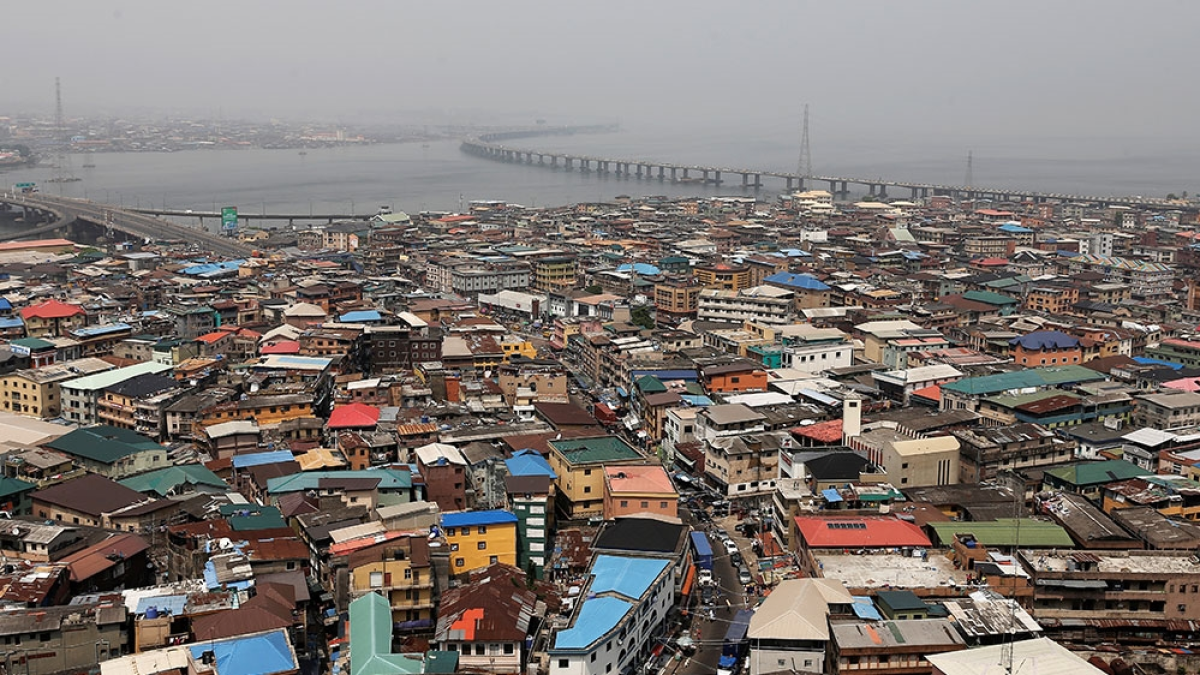

Nearly 40 percent of lecturers at the University of Lagos are reportedly sleeping in their offices because rising housing costs in Lagos have outpaced their incomes, according to Professor Timothy Nubi. (businessday.ng)
Here’s what’s driving it. Lagos is one of Africa’s most expensive cities, and demand for housing near major employment centers like UNILAG has surged. Rents for basic two‑bedroom apartments in areas near campus can reach about ₦3.5 million per year roughly equivalent to several months of a typical lecturer’s salary in Nigeria. For many junior lecturers, annual take home earnings can be below that figure, forcing impossible choices between housing and other essentials.
Put simply: when rent consumes a huge share of income, professionals have to improvise. Some lecturers have resorted to using their offices as places to sleep and rest, returning daily to lectures after spending nights on campus.
Economists say this situation reflects a broader affordability crisis in Nigeria’s largest urban economy:
High housing demand. Nigeria’s urban population is growing faster than new homes are being built.
Low wage growth. Salaries for public‑sector workers like lecturers have not kept pace with inflation and rising living costs.Limited affordable supply. Few housing developments are priced within reach of middle‑income earners.
The combination means many workers, not just lecturers, struggle to secure stable housing near where they work.
Why this matters
Stable housing is not merely a comfort; it affects productivity, health, and family stability. When professionals sleep at work because they can’t afford rent, it signals deep economic stress in the city’s labour market and housing sector.
Sources: BusinessDay reporting on UNILAG lecturers and remarks by Professor Timothy Nubi, contextualised with broader data on Lagos housing costs and wage pressures.