
Reports from military analysts and defense sources say several Gulf countries are rapidly using up their missile and drone interceptors as regional tensions rise, especially amid the ongoing conflict involving Iran, United Arab Emirates, Saudi Arabia, and other states in the Middle East.
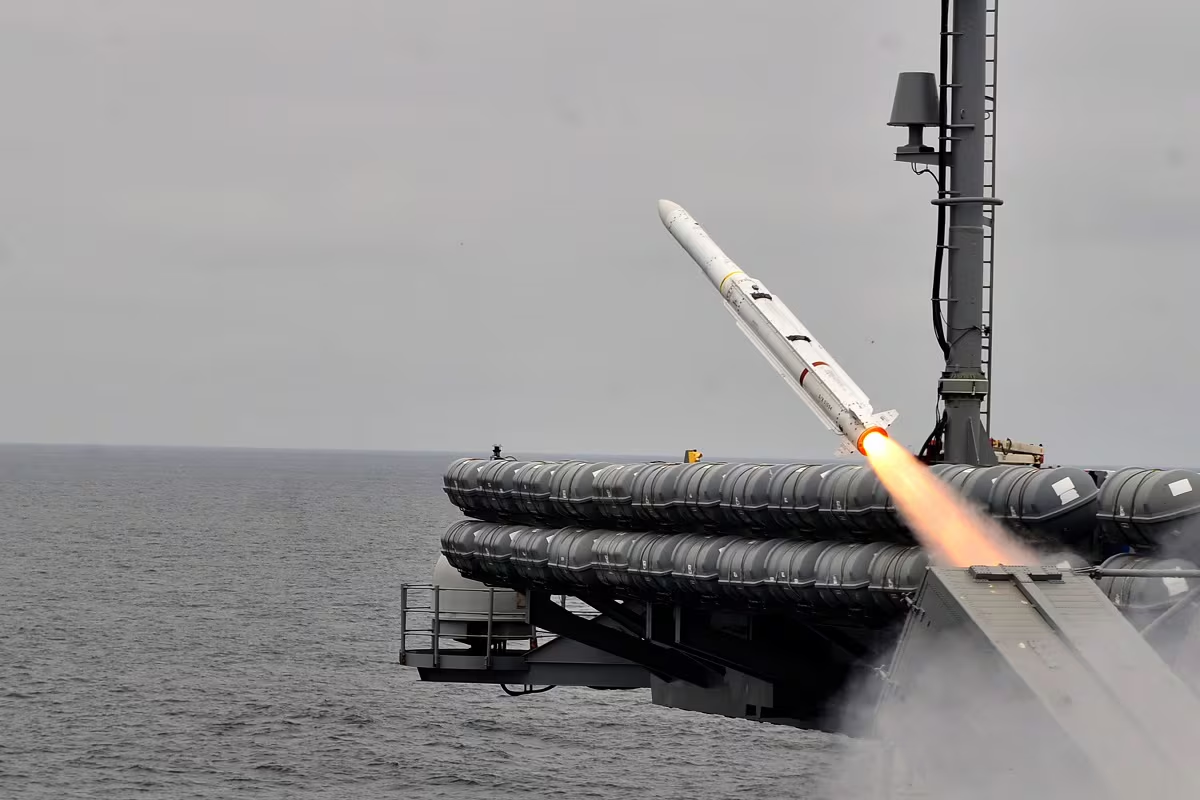
Interceptors are specialized missiles or weapons systems used to shoot down incoming threats such as ballistic missiles, cruise missiles, and drones. Examples include systems like the Patriot missile system, which many Gulf states rely on to defend critical infrastructure, oil facilities, and population centers.
Analysts note that because many of the threats today including drones and low‑flying missiles come in large swarms, defenders must fire large numbers of interceptors to stop them. Each interceptor can cost hundreds of thousands to millions of dollars, while many of the attacking drones are relatively cheap. This creates what defense experts call a cost‑exchange imbalance.
The result is that countries facing sustained attacks are “burning through” their interceptor stockpiles faster than they can replace them. Replenishing these systems takes time, complex supply chains, and significant financial resources.
Why this matters:
- Defense gaps could emerge: If interceptor supplies dwindle faster than they can be replaced, air defenses may become less effective against future threats.
- Budget strain: Buying advanced air defenses and interceptors is expensive, putting pressure on military budgets in a time of heightened tension.
- Strategic recalibration: States may seek alternative ways to counter threats, such as investing in lower‑cost counter‑drone systems, electronic warfare, or layered defense strategies that do not rely solely on expensive interceptors.
This dynamic also reflects a broader shift in modern warfare, where cheap offensive technologies like drones and missiles challenge traditional, expensive defensive systems, forcing nations to rethink how they protect their airspace.
Sources: Defense and military analysis on air defense interceptor usage in the Gulf region amid increased regional tensions, including commentary from international defense reporting and strategic studies.