
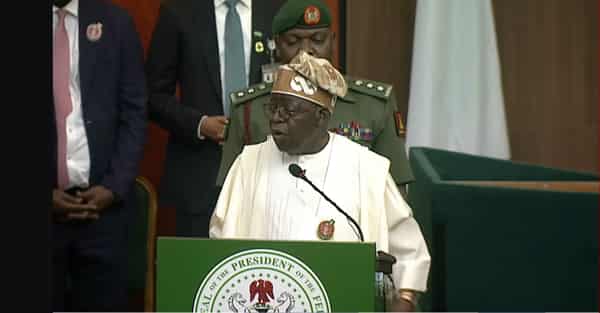

Nigeria’s revenue sharing system is set for a major shift after an executive order signed by Bola Ahmed Tinubu directed that all profits from crude oil sales be paid directly into the federation account.
The funds will be distributed through the Federation Account Allocation Committee, commonly known as FAAC, which shares federal revenue among the federal government, states, and local governments.
Previously, profits from oil operations were first retained by the Nigerian National Petroleum Company Limited to cover operational costs and other financial obligations before remitting what remained to the federation account.
Under the new directive, 100% of the profit component from crude oil sales must now go straight to the federation account, meaning it becomes part of the pool shared among the three tiers of government.
What FAAC Does
FAAC meets every month to distribute national revenue collected from sources such as:
crude oil sales
taxes collected by federal agencies
customs duties
other government income
The money is then shared using an agreed formula among the federal government, 36 states, and 774 local governments.
Why This Change Matters
Supporters of the move say the new rule could increase transparency and revenue available for distribution, especially at a time when many Nigerian states rely heavily on FAAC allocations to fund salaries and public services.
It is also linked to reforms introduced under the Petroleum Industry Act, which transformed the former NNPC into a commercially run company expected to operate like a profit-making corporation.
Editorial Note:
If implemented as planned, the directive means oil profits will go directly into Nigeria’s central revenue pool, potentially increasing the amount shared each month with states and local governments.
Sources: Nigerian financial media reports on the executive directive affecting NNPC profit remittances and FAAC revenue distribution under the Petroleum Industry Act.