
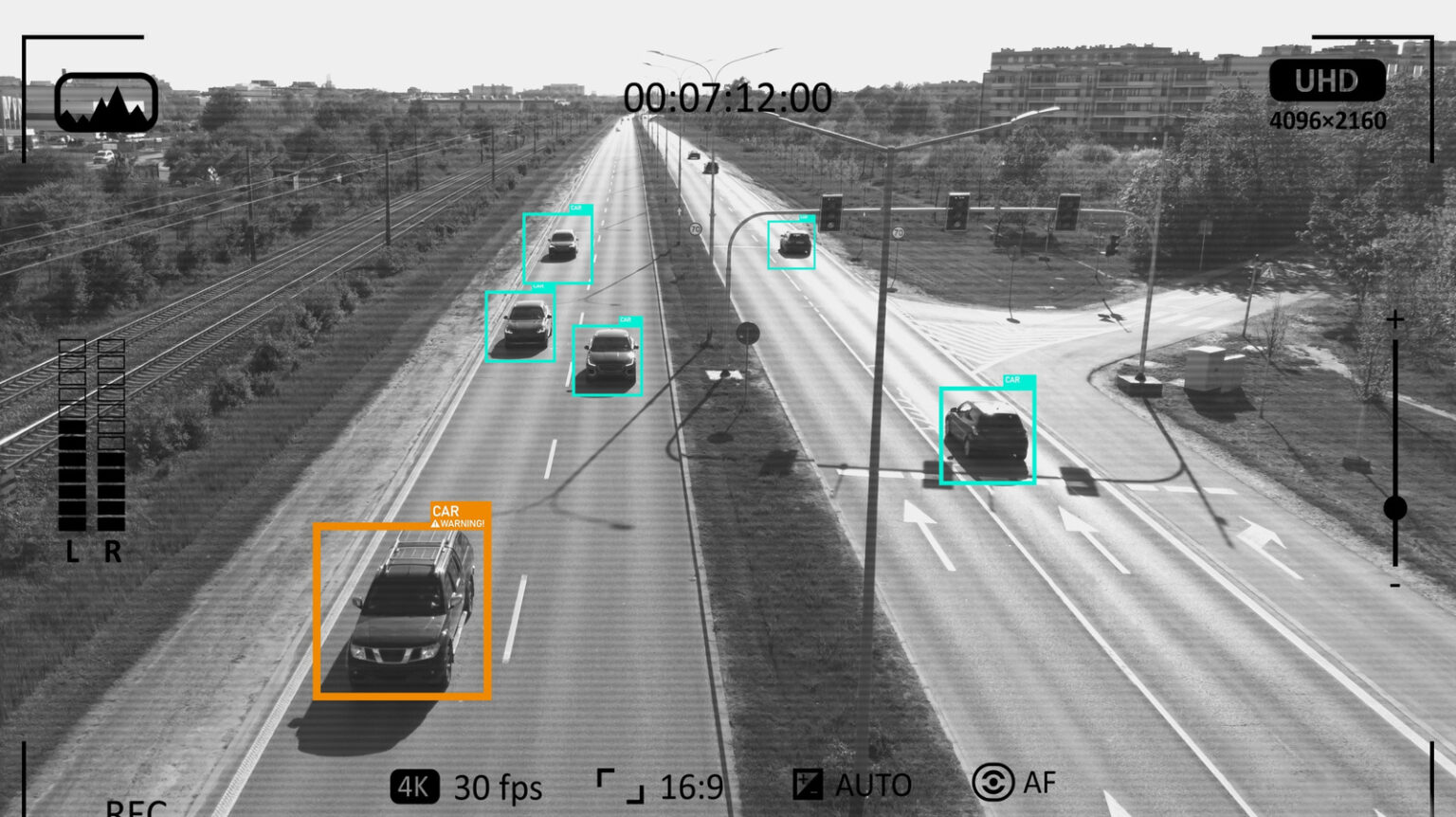

Reports referenced by TimesNow, ETNow, and other outlets say Israeli and U.S. intelligence spent years secretly monitoring Iran’s Supreme Leader Ayatollah Ali Khamenei, using hacked traffic cameras, artificial intelligence analysis, and disrupted phone networks before the strike that killed him.
According to reporting based on the Financial Times, intelligence agencies allegedly compromised large parts of Tehran’s traffic-camera network, allowing them to track movements around Khamenei’s compound and observe the routines of his security team.
Analysts say the surveillance data helped build a detailed “pattern-of-life” profile showing where guards parked, their work schedules, and who they were assigned to protect. Artificial intelligence tools were then used to process the massive stream of video and data.
On the day of the strike, communications in the area were reportedly disrupted, preventing warning calls from reaching security personnel while intelligence sources confirmed the leader’s location.
Important note: these details come from media reports citing intelligence sources. Independent public confirmation of every operational detail has not been released.
What Leaders and Governments Could Learn
1. Digital infrastructure is now a national-security asset
Traffic cameras and smart-city systems are built for public safety, but they also collect massive data. If hacked, they can become powerful intelligence tools.
2. Data analysis matters as much as spying
Reports say AI helped analyze years of surveillance data to predict routines and identify the best moment to strike. Modern intelligence operations rely heavily on data science.
3. Communications networks are strategic vulnerabilities
Disrupting mobile towers reportedly prevented warnings from reaching security teams, showing how cyber operations can shape battlefield outcomes.
4. Personal routines can create security risks
Intelligence officers reportedly mapped daily habits and travel routes of key figures and their guards, demonstrating how predictable patterns can expose leaders to threats.
5. Governance in the digital age requires cyber resilience
The incident highlights why governments must secure surveillance systems, communication networks, and databases. Weak digital security can translate into strategic vulnerability.
Editorial Note
Modern power is no longer defined only by armies and weapons. Control of data, surveillance systems, and cyber networks is now central to national security and leadership protection.
Sources: Reporting cited by Financial Times, TimesNow, ETNow, The Week, The Tribune, and other outlets analyzing the surveillance operation