
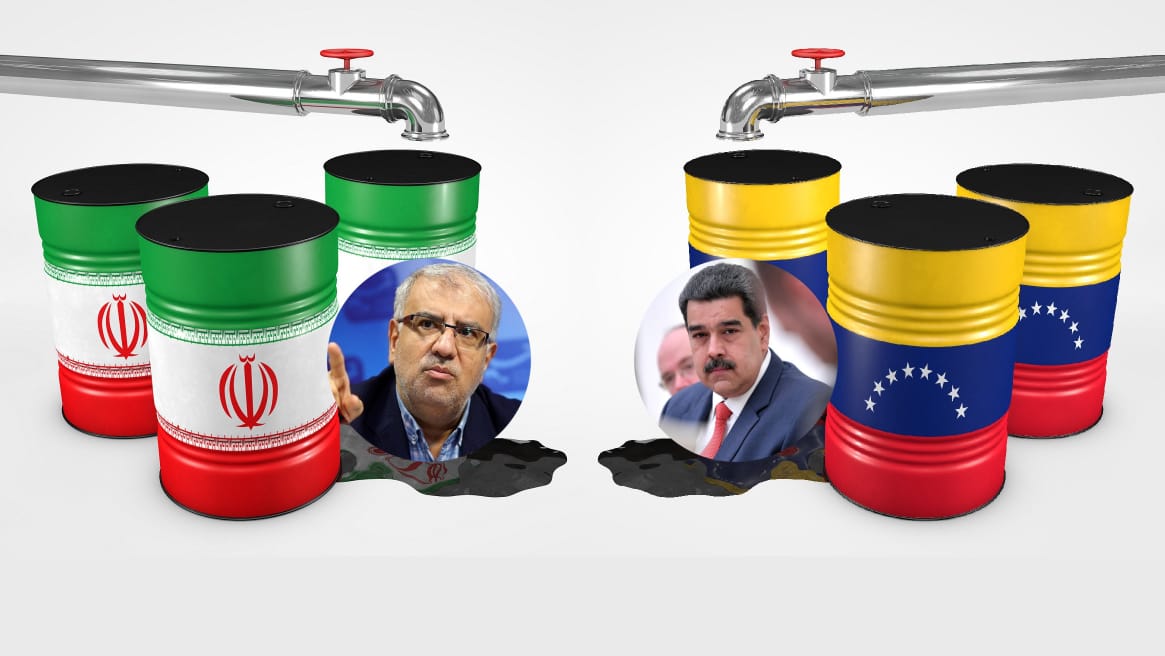

Oil isn’t all the same. Crude varies in weight and chemical makeup, and that affects how and where it’s used. Iranian oil generally sits in the medium to medium‑light range with moderate sulfur levels, which means it’s easier for many refineries to process into gasoline, diesel and other products without huge extra cost.
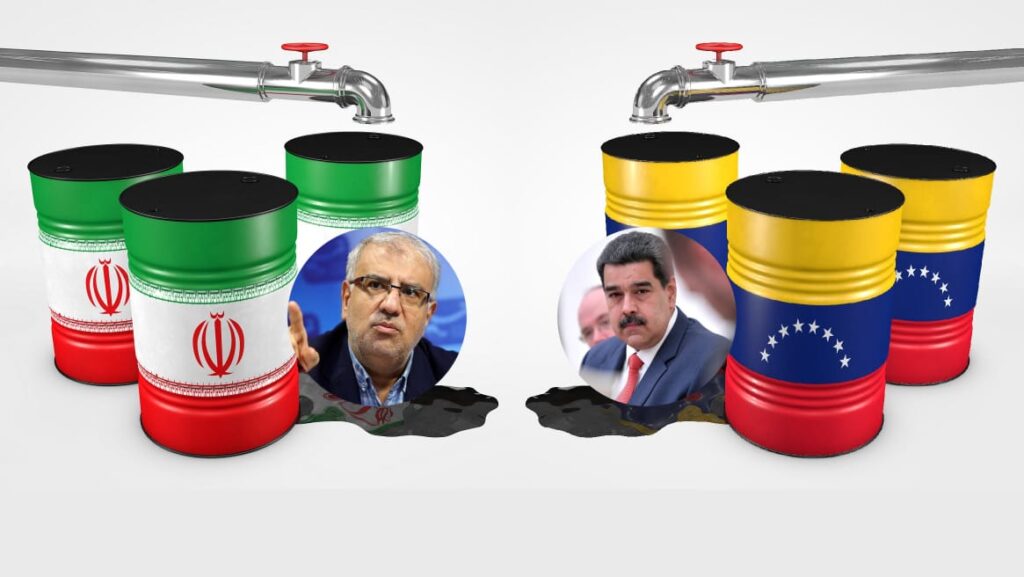
What’s the Real Difference Between Iranian Oil and Venezuelan Oil and Why the World Still Buys Iran’s?
Oil isn’t all the same. Crude varies in weight and chemical makeup, and that affects how and where it’s used. Iranian oil generally sits in the medium to medium‑light range with moderate sulfur levels, which means it’s easier for many refineries to process into gasoline, diesel and other products without huge extra cost.
Venezuela’s crude, especially from the Orinoco Belt, is very heavy and high in sulfur, almost like a tar‑like substance. It needs specialised refining units like cokers and complex equipment just to turn it into finished fuels. That makes it harder and more expensive for many refineries to use.
Because of this, Iranian crude hits a “sweet spot” for a lot of Asian and global refiners not too light, not too heavy and yields decent quantities of valuable products without major processing changes. That balance keeps it in demand even when sanctions are in place.
Venezuela still has the world’s biggest proven oil reserves, but its production capacity and export volumes have dropped sharply in recent years due to political turmoil, lack of investment and infrastructure issues. These combined factors mean its oil doesn’t flow to the market as freely.
Iran’s crude also often trades at a discount to global benchmarks, making it attractive to buyers like China’s independent “teapot” refineries that specialise in handling heavier grades and price‑sensitive imports.
In short:
- Iranian oil fits many refineries’ designs and is cheaper to buy so demand stays strong.
- Venezuelan oil is heavier, harder to refine and more export constrained.