

A U.S.‑linked vaccine study in West Africa has raised major ethical concerns and many people in Nigeria are thinking about why these issues matter here too.
What the Story Is About
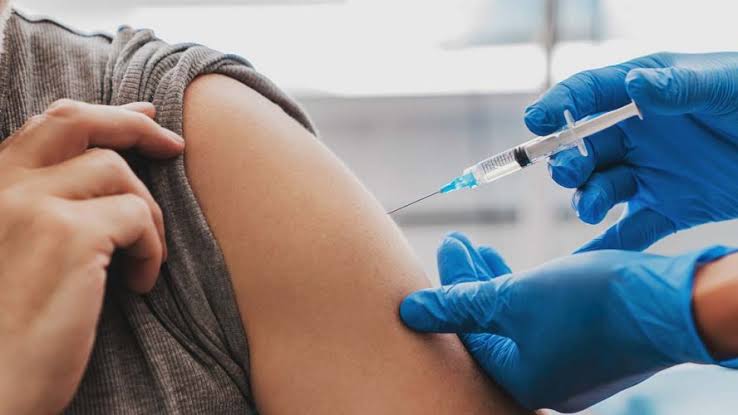
Health experts around the world have raised alarm over a hepatitis B vaccine study in Guinea‑Bissau, West Africa, saying it is ethically questionable and potentially dangerous. The trial would have given the vaccine to only some newborns while others were not vaccinated even though hepatitis B is common in that country and the vaccine is known to save lives.
The study was being supported by the U.S. Health and Human Services Department, under Robert F. Kennedy Jr., the current U.S. health secretary a controversial figure known for challenging established vaccine science. Because of the ethical concerns, the trial has been paused for review after global criticism by scientists, human rights advocates, and organisations like the World Health Organization (WHO).
Why This Is Stirring a Bigger Debate
Experts fear this trial could become a “prototype” meaning a model for similar medical studies funded by U.S. agencies under people who question mainstream vaccine science. Critics even say if trials like this continue, they could repeat historically unethical experiments where researchers treated vulnerable populations in ways they would not do in their own countries.
That reference to history matters: many Africans still remember global missteps like the Tuskegee Syphilis Study in the U.S., where Black men were studied without proper consent despite effective treatments being available a case that shattered trust in medical research.
What Nigerians Are Thinking
For many Nigerians, the controversy taps into deep‑rooted mistrust about foreign‑led medical research in Africa. Historical episodes including past drug trials that caused harm, and rumours that foreign companies exploit African populations still influence public perception. This isn’t just abstract science anymore; people worry:
- Are African lives being treated like test cases for policies that wouldn’t be done in richer countries?
- Why are newborns being included in a trial that withholds a lifesaving vaccine?
- Who decides what’s ethical when regulators in poorer countries may lack strong safeguards?
These questions resonate strongly because Nigeria’s own experience with vaccine hesitancy and distrust of medical trials has historical roots including past controversies involving foreign‑led research in Africa.
Concerns Raised by Health Authorities
The WHO and global public health experts have criticised the trial’s design, calling it “unethical” and warning that withholding a proven lifesaving vaccine from some babies even temporarily can cause real harm. They also argue that vulnerable populations must be protected by strong ethical review standards, which can be weak in some poorer countries, making such studies risky without proper oversight.
Why This Matters for Nigerians
Here’s the street‑level takeaway:
- Trust in vaccines matters
Nigeria has fought to improve routine vaccinations like polio and measles. When high‑profile controversies like this appear, they can feed local vaccine hesitancy, making public health work harder.
- Ethics in research isn’t theoretical
People want to know that any medical study in Africa treats subjects fairly and doesn’t take advantage of weak safeguards or lack of public awareness.
- History still shapes views
Past foreign research missteps in Africa shape current perceptions of fairness and exploitation even when good science is the goal.
The Broader Issue: Decolonising Global Health Research
Many African health leaders argue this controversy highlights the need for stronger local research systems and ethical review boards so Africans aren’t always participants in studies designed and controlled by outsiders. They want ownership over how research is designed, reviewed, and conducted. This push for decolonising global health research is gaining momentum at regional levels, including through organisations like the Africa Centres for Disease Control and Prevention (Africa CDC).
Final Thought
This debate isn’t just about one study in Guinea‑Bissau. It reflects a larger global question: how do we protect people worldwide when scientific research involves vulnerable communities? For Nigerians, it’s a reminder that ethical safeguards, clear communication and public trust are essential whether it’s a routine childhood vaccine or a controversial study.