
As the war involving the United States, Iran, and regional allies continues to rattle energy markets, Washington has reached for one of its most powerful economic tools.
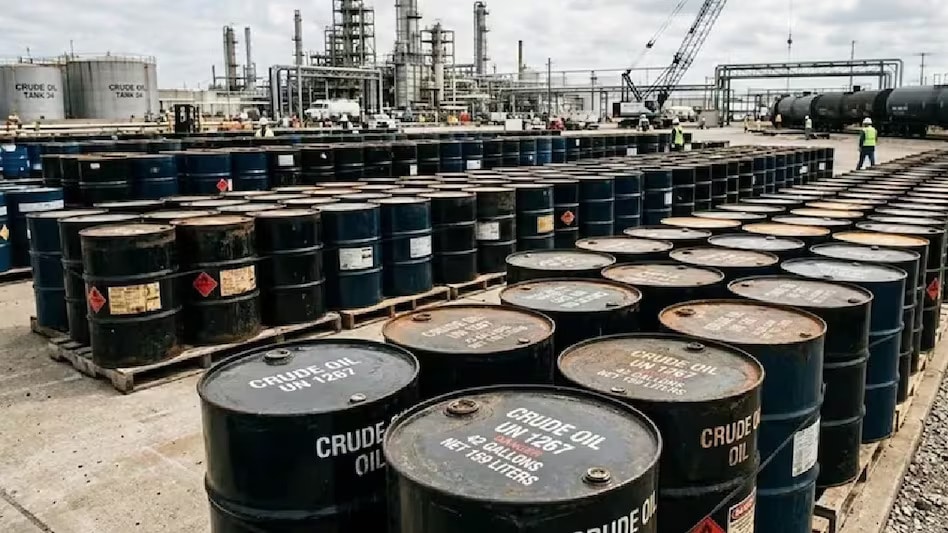
The U.S. government plans to release 172 million barrels of oil from its Strategic Petroleum Reserve (SPR), one of the world’s largest emergency oil stockpiles.
The move forms part of a wider plan coordinated by the International Energy Agency, where more than 30 countries will release about 400 million barrels from emergency reserves to steady global supply.
Why the U.S. is doing this
Oil prices surged after military strikes escalated tensions in the Middle East and disrupted shipping around the Strait of Hormuz, a route responsible for roughly 20 percent of global oil trade.
The emergency release is meant to cool rising fuel prices and reassure markets.
The oil will start entering the market next week and could take about 120 days to fully deliver.
The short-term hope
If the plan works, the additional supply could:
- slow down rising petrol prices
- calm panic in global oil markets
- give governments time while the war situation unfolds
In simple terms, it is meant to buy time for the global economy.
The bigger question: how long can it work?
Here is where things get complicated.
The U.S. reserve currently holds about 415 million barrels, already one of its lowest levels in decades.
Releasing 172 million barrels means drawing down roughly 40 percent of what remains in the stockpile.
Officials say the U.S. plans to refill the reserve with about 200 million barrels within the next year, but analysts warn rebuilding emergency stockpiles can take years.
Why the world is watching closely
Emergency reserves were created after the 1970s oil crisis to protect economies during major disruptions.
Using them now sends a signal that governments believe global energy supply could face serious pressure if the conflict continues.
For drivers, businesses, and governments around the world, one thing is clear. The next few months will show whether this massive oil release stabilizes fuel prices or only delays a bigger energy shock.