
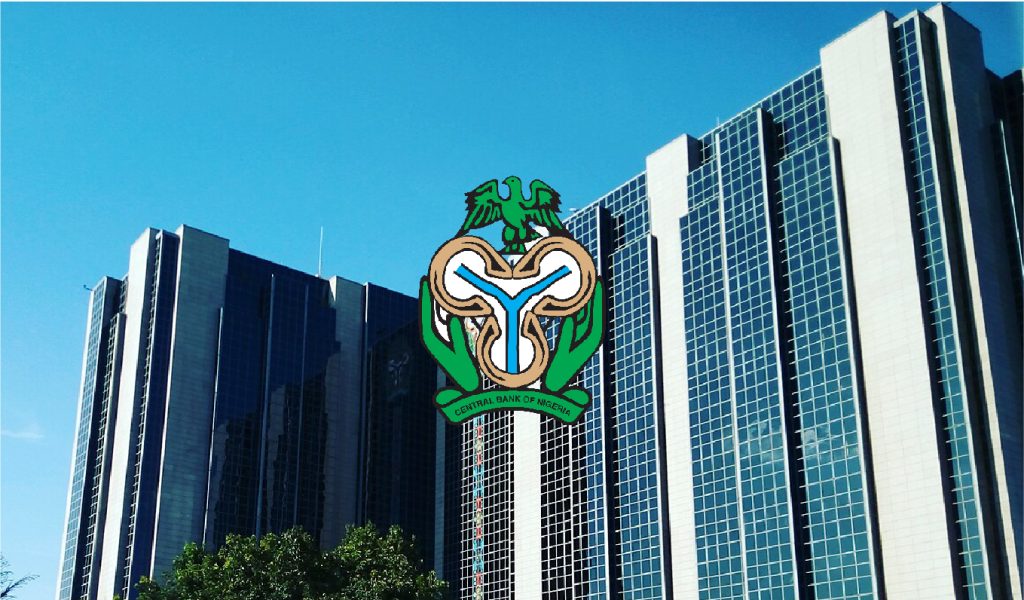

Nigeria’s banking regulator, the Central Bank of Nigeria, says some banks may need to raise additional capital after the regulator carried out stress tests to assess the strength of the financial system.
A stress test is like a financial “pressure test.” Regulators simulate difficult economic scenarios to see whether banks would remain stable. These tests often examine what would happen if:
- the economy slows sharply
- the local currency weakens significantly
- oil revenues drop
- borrowers fail to repay loans
The focus is often on a bank’s credit portfolio, which refers to the total loans it has given to individuals, companies, and government entities. If too many borrowers fail to repay, the bank could face heavy losses.
During stress testing, regulators estimate how much of those loans could go bad under extreme economic conditions and then check whether the bank has enough capital to absorb those losses.
If the results show a bank might struggle in a severe downturn, regulators may ask it to raise additional capital. Banks typically do this by:
selling new shares to investors
bringing in strategic investors
retaining profits instead of paying dividends
Stress testing became a major global regulatory tool after the Global Financial Crisis, when several large banks collapsed because they lacked sufficient buffers during economic shocks.
Nigeria is currently undergoing a broader bank recapitalisation programme, aimed at strengthening lenders so they can support larger loans and withstand economic volatility.
Why this matters
Stronger capital levels help banks absorb financial shocks without collapsing, protecting depositors, businesses, and the wider economy.
Sources: Reporting from Nigerian financial media and regulatory commentary from the Central Bank of Nigeria on banking sector stress testing and capital adequacy.