
By using this site, you agree to the Privacy Policy and Terms of Use.
Accept
MOTPOST

Smart News for the Social Generation.

  • Home
  • Nigeria
    • Economy & Business
    • Nigeria -focused Opinion
    • Policy & Governance
    • Society & Data
  • Markets
    • Banking & Finance
    • Capital Markets
    • Energy & Commodities
    • Market Data / Charts
    • Trade & Investment
  • World
    • Africa
    • Geopolitics
    • Global Economy
    • International Markets
  • Explainers
    • Data & Statistics Stories
    • Policy Explainers
    • Research Summaries
    • Visual / Video Explainers
  • Culture
    • Entertainment Economy
    • People & Public Life
    • Pop Culture & Influence
    • Social Pulse
Reading: Why Nigeria May Be Paying the Highest Price for the Iran-U.S. War
Share
MOTPOSTMOTPOST
Font ResizerAa
Search
  • Home
  • Nigeria
    • Economy & Business
    • Nigeria -focused Opinion
    • Policy & Governance
    • Society & Data
  • Markets
    • Banking & Finance
    • Capital Markets
    • Energy & Commodities
    • Market Data / Charts
    • Trade & Investment
  • World
    • Africa
    • Geopolitics
    • Global Economy
    • International Markets
  • Explainers
    • Data & Statistics Stories
    • Policy Explainers
    • Research Summaries
    • Visual / Video Explainers
  • Culture
    • Entertainment Economy
    • People & Public Life
    • Pop Culture & Influence
    • Social Pulse
Follow US
  • Home
  • About Us
  • Contact
  • InterestsNew
  • My Bookmark
© 2026 MOTPOST. All Rights Reserved
MOTPOST > Markets > Energy & Commodities > Why Nigeria May Be Paying the Highest Price for the Iran-U.S. War
Energy & CommoditiesNigeria

Why Nigeria May Be Paying the Highest Price for the Iran-U.S. War

Oladipupo Tijani
Last updated: March 18, 2026 12:21 am
Oladipupo Tijani
Published: March 18, 2026
Share
SHARE

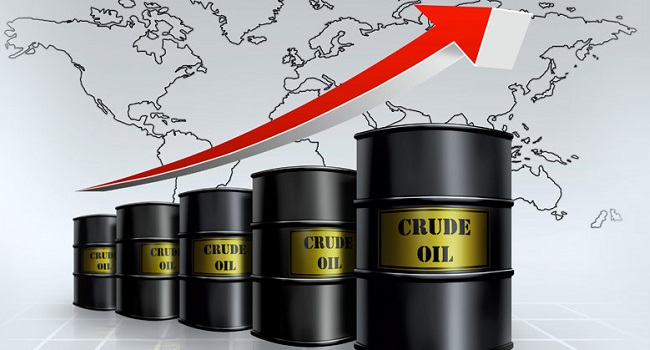
At first glance, the Iran war looks like good news for oil producers like Nigeria. Rising tensions have pushed crude prices sharply higher, in some cases above $100 per barrel, which should boost government revenue.

But the reality is more complicated and closer to what Financial Times–style analysis highlights: the countries that suffer most are not always those that lose oil but those that cannot fully benefit from it.

Nigeria sits right in that category.

The country exports crude oil, yet still imports most of its refined fuel. This means higher global oil prices increase national income on paper, but raise petrol prices at home almost immediately.

That’s where the real cost shows up. Transport in Nigeria runs largely on fuel, so when petrol prices rise, food prices, transport fares, and business costs all rise together. This feeds directly into inflation and reduces what ordinary people can afford.

There’s also a second problem. Nigeria’s gains depend on stable oil flows and production levels, but conflict in the Middle East creates global uncertainty in supply chains and currency markets, which can weaken oil-dependent economies. Past episodes show that when oil prices later fall or stabilise, currencies like the naira often come under pressure.

So while major economies like the U.S. or China feel the war through inflation or trade disruptions, Nigeria faces a double hit:

higher living costs at home

unstable long-term oil revenue

In simple terms, the war creates what analysts call a “double-edged effect” for Nigeria more money for the government, but more hardship for citizens.

That is why, despite being an oil producer, Nigeria may end up paying one of the highest real prices for a war happening thousands of kilometres away.
Do You Take Birth Control Pills? Here’s What the World’s Top Cancer Research Agency Says
₦5 Billion Just to Add an “L”? Nigeria’s Senate Questions NNPC Rebranding Cost
What’s Really Behind the Drama Over Senator Ireti Kingibe’s Suspension?
6 Reasons Why You Should Travel with Friends
When the Lights Go Out, Diesel Becomes King: How Poor Power Makes Fuel Even Pricier in Nigeria
Share This Article
Facebook Email Print
Leave a Comment

Leave a Reply Cancel reply

Your email address will not be published. Required fields are marked *

Follow US

Find US on Social Medias
FacebookLike
XFollow
InstagramFollow
TiktokFollow

Weekly Newsletter

Subscribe to our newsletter to get our newest articles instantly!
Popular News
NigeriaPolicy & Governance

Airport Cashless Drama Hits Nigerians Hard . What You Didn’t Hear in the Official Papers

Mariam Tijani
Mariam Tijani
March 11, 2026
War Doesn’t Always Change Governments.” Israel Admits Iran’s Leadership May Survive
Is Shoprite Really Leaving Nigeria? Here’s the Real Story Behind the Rumours
Could You Be Blacklisted From Banking? Nigeria Introduces New Fraud Watchlist
Why South Africa resisted US pressure to cut ties with Iran
- Advertisement -
Ad imageAd image
MOTPOST

MOTPOST delivers clear, data-driven journalism on Nigeria, markets, and world affairs for informed decisions daily.

Facebook X-twitter Tiktok Linkedin Instagram
Quick Link
  • Home
  • About Us
  • Contact
  • InterestsNew
  • My Bookmark
Top Categories
  • Culture
  • Explainers
  • Markets
  • Nigeria
  • World

Subscribe to Us

Subscribe to our email newsletter for latest news & updates.

© 2026 MOTPOST. All Rights Reserved.

  • Privacy Policy
  • Terms and Conditions
Motpost
Welcome Back!

Sign in to your account

Username or Email Address
Password

Lost your password?

