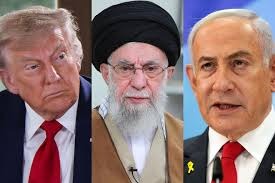
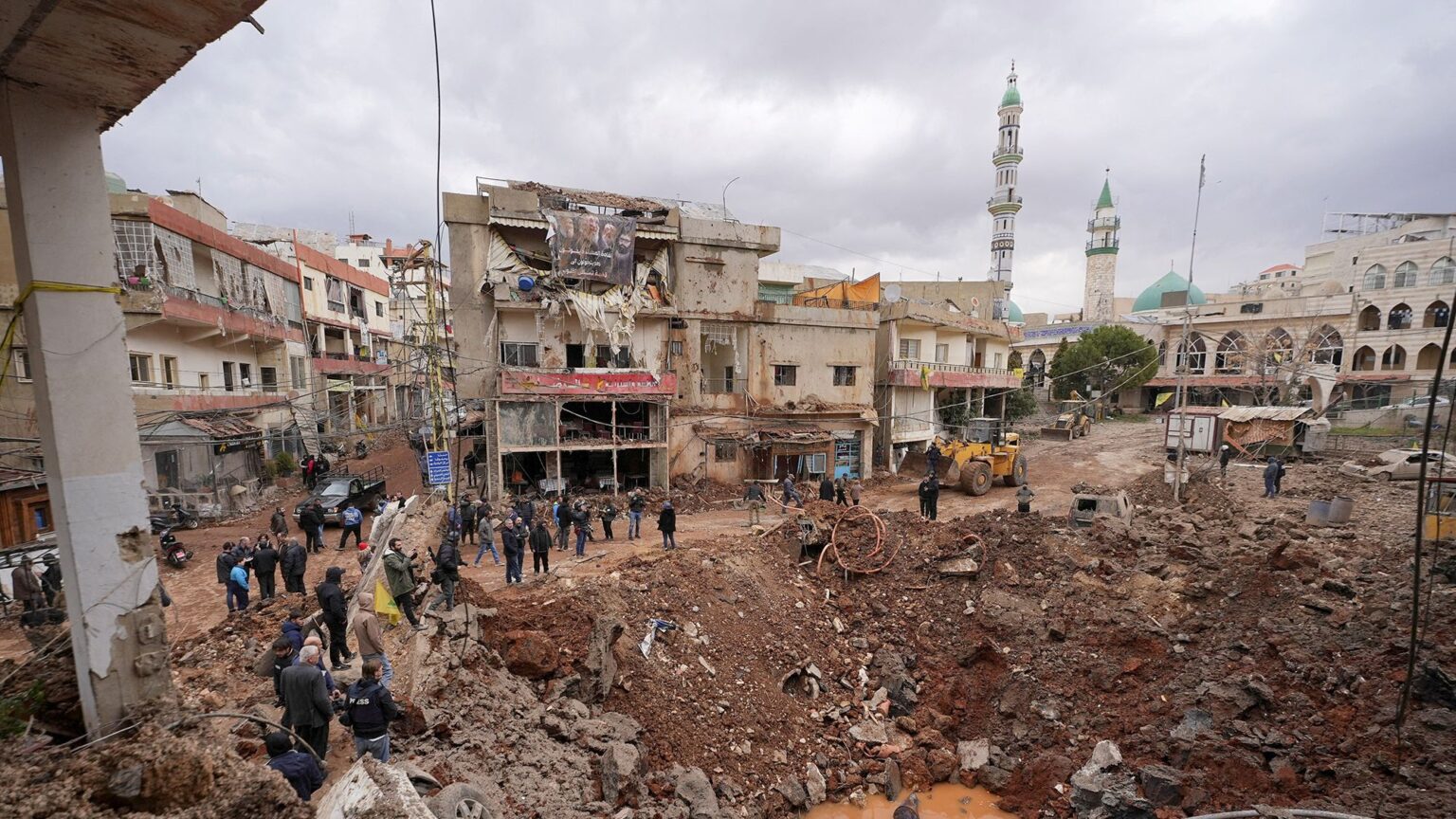

The ongoing conflict involving Iran is creating significant economic ripples worldwide but not all countries are affected equally. According to reporting by the Financial Times, the war threatens to hit major energy importers and emerging markets the hardest, while energy‑producing nations face different pressures.
1. Europe’s Energy Importers
Many European economies are heavily dependent on imported energy. Soaring oil and gas prices, driven by fears of disruptions around the Strait of Hormuz a chokepoint for about 20% of global oil and LNG trade put inflationary pressure on consumers and companies across the EU. Higher energy costs can slow growth and push up production costs for industry, especially where natural gas fuels electricity and manufacturing.
2. Asia’s Big Fuel Importers
Countries like **Japan, India, and South Korea import most of their crude oil and gas from the Gulf. A sustained oil price shock can weaken currencies, raise inflation, and slow growth, particularly for economies that are not net energy exporters. That could force central banks to rethink interest rates and delay economic support.
3. Emerging Economies in Africa
African policymakers warn that higher oil and fuel prices could reverse recent monetary easing and squeeze government budgets, especially where fuel subsidies are common. Rising transport and energy costs can ripple through key sectors like agriculture and mining, slowing recovery and increasing inflation across the continent.
4. Regions Dependent on Shipping and Trade
Wider disruptions to shipping through the Gulf or higher insurance costs for tankers and freight carriers can elevate logistics costs globally. This affects economies with large export volumes or those reliant on just‑in‑time supply chains.
Editors’ Insight
While some energy exporters may benefit from higher prices, the world’s major fuel importers are most exposed. Higher energy costs feed directly into inflation and reduce household spending power. Central banks in many emerging markets may be forced to tighten policy, slowing growth further.
Sources: Financial Times reporting on global economic exposure to the Iran war; analysis of oil price movements and energy import vulnerabilities in Europe, Asia, and Africa