
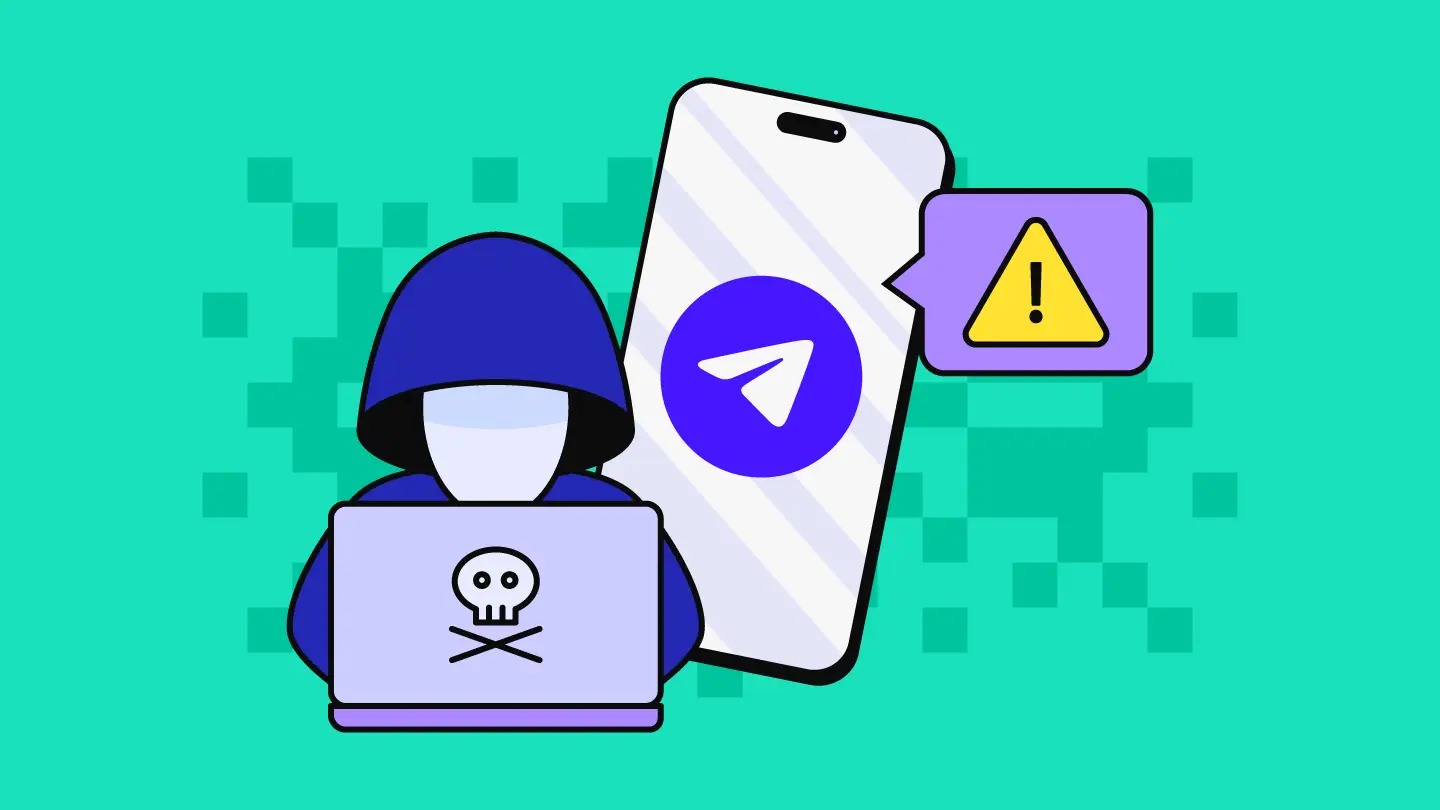

Financial crime investigators say fraud linked to the messaging app Telegram has surged dramatically in recent years, raising concern for banks and regulators. For Nigerians who use mobile banking and online payments daily, this trend carries real risks.
According to industry data reported by The Banker, fraud cases connected to the messaging platform Telegram rose 233% in a single year, putting it close to the level previously associated with scams on Facebook.
Banks and cybersecurity specialists say criminals are increasingly moving from traditional social networks to encrypted messaging platforms.
What Exactly Is Happening?
Cyber-fraud investigators say scammers are using Telegram to organise and distribute tools used for financial crimes.
Examples reported by banking security experts include:
- selling stolen banking data
- coordinating phishing attacks
- advertising “account takeover” services
- distributing malware used to steal login details
Because Telegram allows large private groups and channels, it can be harder for investigators to monitor compared with open social networks.
Why Fraudsters Are Moving to Telegram
Cybersecurity specialists point to several reasons why criminals are shifting platforms.
- Large private groups
Telegram allows channels with thousands of users where links, files and instructions can be shared quickly.
- Encryption and anonymity
Encrypted messaging and limited identity checks can make it easier for fraud networks to operate without revealing who they are.
- Rapid information sharing
Once a scam method works, it can spread quickly through Telegram groups used by fraud rings.
Financial crime analysts say these networks often share step-by-step guides on how to target bank customers.
Why This Matters for Nigerians
Nigeria has one of the fastest-growing digital banking markets in Africa.
Millions of people now rely on:
- mobile banking apps
- POS transactions
- instant transfers
As financial activity moves online, criminals follow the same path.
The Nigerian financial sector has repeatedly warned customers about phishing and digital fraud risks, including fake messages designed to steal banking credentials.
The Central Bank of Nigeria and the Nigeria Inter-Bank Settlement System regularly publish alerts advising customers not to share PINs, passwords or one-time codes.
What These Scams Often Look Like
For many Nigerians, Telegram-linked scams usually start outside the app itself.
Examples include:
- a fake investment link sent through WhatsApp
- a message promising “crypto profits”
- a supposed bank alert asking users to verify details
Victims are then directed to Telegram channels where fraud networks continue the conversation.
From there, scammers may ask for login credentials, payments or personal information.
Why Banks Are Concerned
Banks worry that encrypted platforms allow fraud rings to organise quickly across borders.
Unlike scams run by a single individual, many Telegram groups operate like organised networks.
Security analysts say these groups sometimes distribute:
- stolen card details
- phishing templates
- automated fraud software
This makes financial crime easier to scale.
What Nigerian Bank Customers Should Watch For
Security experts recommend a few simple precautions:
Never share your banking PIN or OTP codes.
Avoid investment schemes promising guaranteed returns.
Do not click banking links sent through random messages.
Verify any bank request directly through official channels.
Banks rarely request sensitive details through messaging apps.
The Bigger Picture
Digital banking growth across Africa has brought convenience but also new security challenges.
As scammers move from open social media platforms to encrypted messaging apps, banks and regulators are adjusting their monitoring systems.
For customers, the lesson is simple.
Fraud tactics change quickly, but the goal stays the same: getting access to your money or personal data.
Bottom Line
The surge in fraud linked to Telegram shows how fast cybercrime evolves.
For Nigerian bank customers, staying alert online is now as important as keeping cash safe in a wallet.