
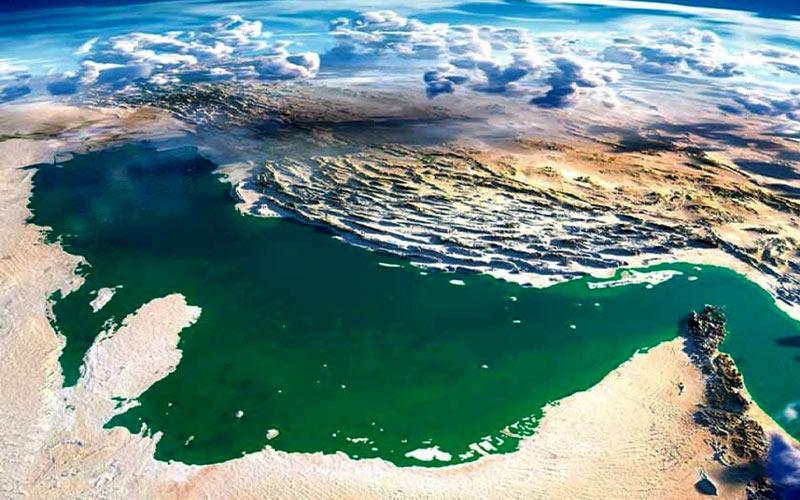

A key export corridor worth roughly $400 million annually for Nigerian businesses is facing disruption as several international shipping companies begin avoiding Gulf ports due to rising security risks and insurance costs, according to multiple trade and shipping reports.
For Nigeria, this matters because a significant portion of non-oil exports moves through maritime routes connecting to the Persian Gulf, one of the world’s most important shipping corridors. When shipping companies pull back from these ports, exporters struggle to move goods such as agricultural products, manufactured items, and processed commodities.
Shipping companies make decisions based on risk and cost. When geopolitical tensions rise in a region, insurers often raise premiums for vessels traveling through those waters. Higher insurance costs, potential delays, and safety concerns can push carriers to reroute ships or avoid certain ports entirely.
What This Means for Nigerian Exports
For Nigerian exporters, the immediate effects can include:
• Higher shipping costs as alternative routes are used
• Delays in delivery, which affect perishable goods
• Reduced competitiveness, because buyers may switch to suppliers from countries with more stable routes
In simple terms, when ships avoid a region, the cost of moving goods rises, and exporters often lose customers.
Near-Term Economic Impact
Nigeria has been trying to expand non-oil exports to diversify away from crude dependence. Disruptions along major trade corridors can slow that effort by increasing logistics costs and making Nigerian goods less attractive in international markets.
Smaller exporters are usually hit hardest because they have less financial buffer to absorb sudden freight increases.
Governance and Policy Lessons
This episode highlights several strategic lessons for policymakers and business leaders:
• Diversified export routes reduce dependence on a single corridor
• Investment in regional trade infrastructure can help build alternative markets
• Strong risk planning is essential when global trade routes face geopolitical tensions
Countries that succeed in export-driven growth often plan logistics systems with multiple shipping pathways and resilient supply chains.
Why It Matters
Nigeria’s push to expand exports beyond oil depends not only on production but also on stable global trade routes. When shipping disruptions emerge, they quickly expose how vulnerable export systems can be to geopolitical shocks.
For businesses and policymakers alike, the message is clear: export strategy must include logistics resilience, not just production capacity.
Sources: International shipping and trade reporting on carriers avoiding Gulf ports and the implications for export flows through the Persian Gulf.