

Why Nigerians Should Care
What’s happening
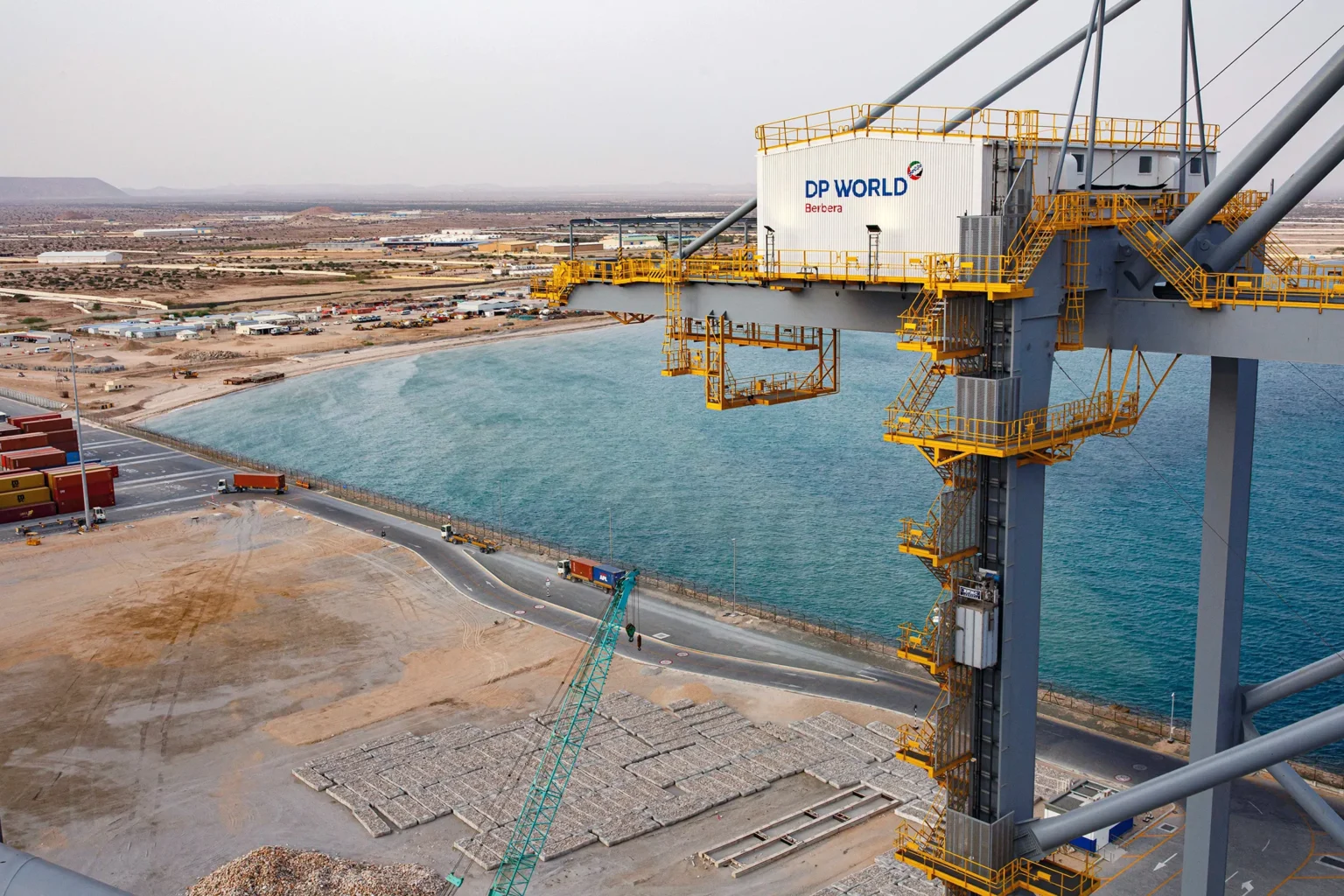
Israel is reportedly expanding military operations into Africa to counter Houthis in Yemen.
The move is called a “risky African front” because it extends the conflict beyond the Middle East.
Analysts warn that attacks could affect shipping routes, energy flows, and regional stability.
Why this matters globally
The conflict could disrupt oil shipments near the Red Sea and Bab el-Mandeb Strait, key routes for global energy.
Shipping insurance costs may rise, making fuel transport more expensive.
Regional powers are closely monitoring, as escalation could pull more countries into the conflict.
Why Nigerians should pay attention
Fuel Prices: Nigeria imports refined fuel, so global oil instability can hit pump prices.
Inflation: Higher transport and logistics costs push food and goods prices up.
Foreign Exchange: Oil price swings affect naira stability and government earnings from crude exports.
Key Numbers to Watch
4 million+ barrels/day oil – typically shipped through the Red Sea corridor
$100+ per barrel – early price reactions during similar regional escalations
Thousands of commercial vessels – rely on secure passage through Red Sea and Bab el-Mandeb
The Takeaway
Expanding a military front into Africa may seem distant, but it has direct consequences for oil markets and everyday life in Nigeria.
Higher risk of disruption → higher energy prices → higher costs at the pump and in markets.