
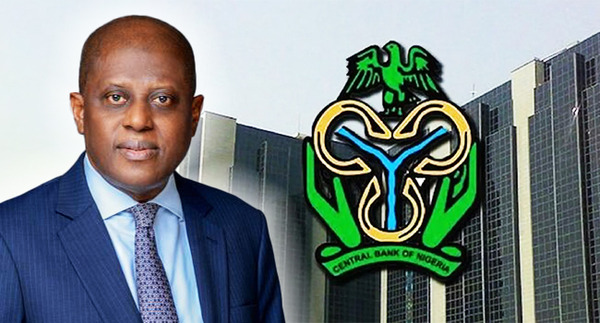

Nigeria’s banking regulator, the Central Bank of Nigeria, has strengthened anti-fraud rules by introducing a national fraud watchlist for bank customers.
The system allows banks to flag individuals or businesses suspected of involvement in financial fraud. Once a name is placed on the watchlist, other banks in the financial system can see the alert and take precautions before allowing transactions.
In simple terms, it works like a shared warning system among banks.
If a customer is linked to activities such as:
fraudulent transfers
identity theft
account takeover schemes
suspicious digital transactions
the bank can report the case into the central system. Other banks will then receive a notification when that person attempts to open an account or carry out certain transactions.
The watchlist is part of Nigeria’s broader financial crime monitoring system known as the Nigeria Inter-Bank Settlement System Industry Fraud Portal, which allows banks to report and track fraud cases across the industry.
According to banking regulators, the goal is to stop fraudsters from simply moving from one bank to another after committing financial crimes.
However, the policy also includes safeguards. Customers who believe they were wrongly listed can challenge the decision through their bank and regulatory review processes.
Why this matters
Digital banking and instant transfers have made financial services faster but have also increased fraud risks. By sharing fraud alerts across banks, regulators hope to detect suspicious activities earlier and prevent losses before they spread through the system.
Sources: Regulatory circulars and Nigerian financial-sector reporting on fraud monitoring systems coordinated by the Central Bank of Nigeria and the Nigeria Inter-Bank Settlement System.