
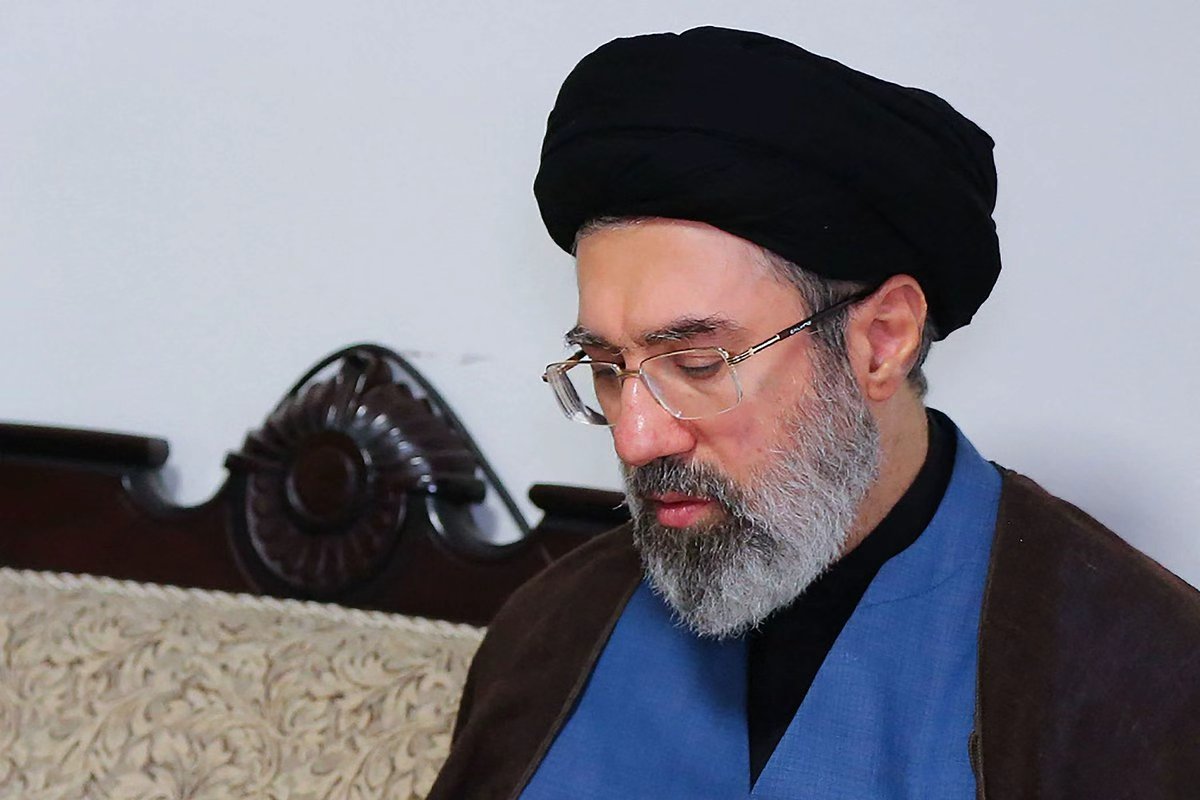

In his first public message since being appointed Supreme Leader of Iran, Mojtaba Khamenei set a hardline tone of defiance that has shaken global attention. State media and foreign reports highlight several key points he emphasized: a continued closure of the Strait of Hormuz as a strategic leverage point, ongoing strikes on U.S. military bases in the Middle East, and vows of revenge for attacks on Iranian soil, including one at a school that killed dozens of civilians.
Here’s why that matters:
- The Strait of Hormuz is one of the world’s most critical energy routes roughly one‑fifth of all global oil passes through it. Keeping it closed increases pressure on the U.S., Israel and Western interests and sends shockwaves through global energy markets.
- By openly stating that U.S. bases in the region should shut or face attacks, Khamenei signalled a more aggressive posture that could prolong the broader Middle East conflict rather than dial it down.
- Iran’s rhetoric around “avenging blood spilled” reflects a narrative used by Tehran to justify military retaliation after strikes that killed its former leader and civilians.
Analysts say this first statement isn’t just symbolic it’s a policy direction. Iran may be doubling down on strategies that leverage geography (like Hormuz) and sustained military pressure to reshape negotiations, influence regional allies, and counter U.S. Israel pressure.
What watchers need to know: This tone suggests Iran does not intend to back down soon. Its leader’s first words are about pressure, leverage, and retaliation not compromise.