
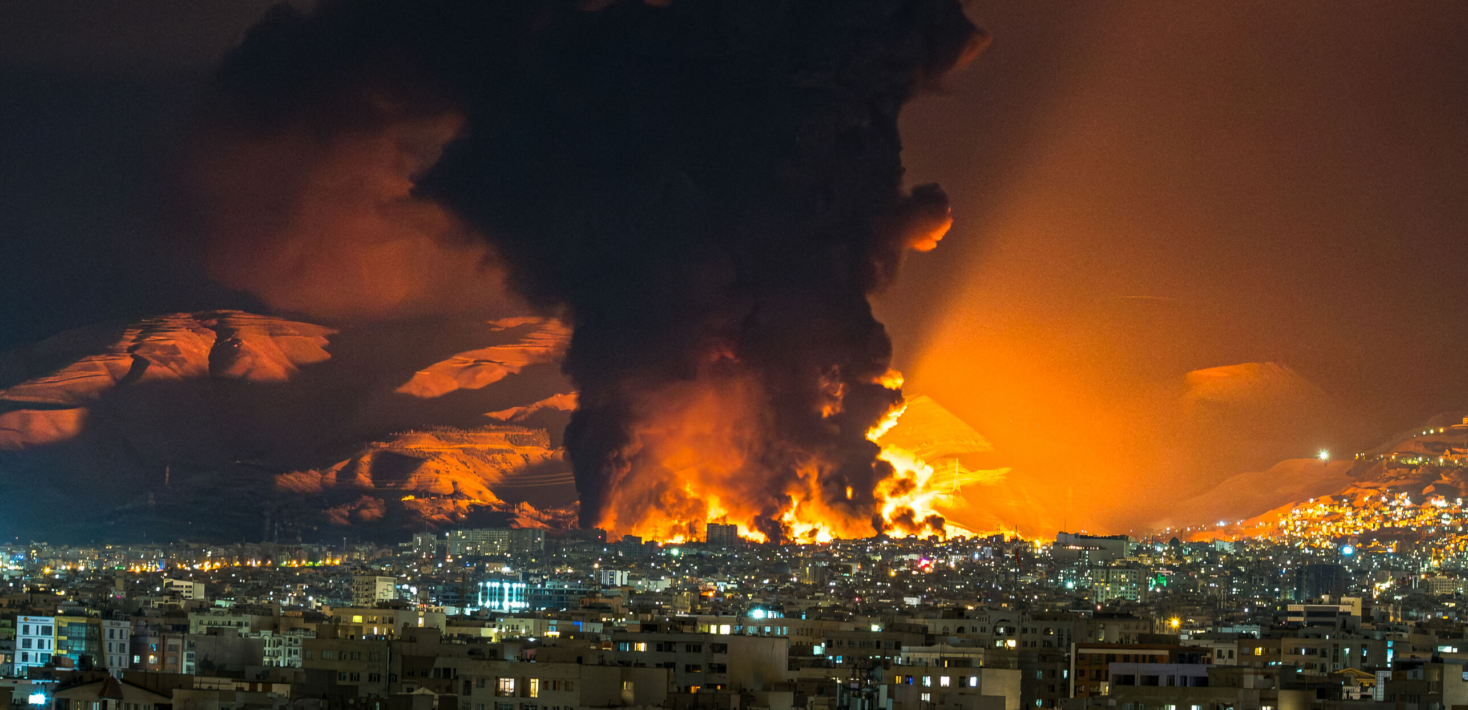

Iran has issued a stark warning: if its electricity infrastructure is attacked, large parts of the Middle East could face widespread power outages.
According to reports, senior Iranian officials said a strike on the country’s power grid would trigger retaliatory actions against energy and electricity systems across the region, potentially causing major disruptions.
The warning comes amid escalating tensions in the conflict involving Iran, Israel, and the United States. Iranian officials say targeting power stations or electricity networks would be viewed as an attack on critical civilian infrastructure, which could prompt a broader regional response.
Energy systems in the Middle East are highly interconnected. Oil facilities, gas infrastructure, power plants, and transmission lines often cross borders or supply multiple countries. Experts say that attacks on major energy hubs could disrupt electricity supply, oil production, and fuel transport across several states at once.
Iran has also warned that if its energy infrastructure such as ports, oil terminals, or power facilities is targeted, it may strike similar facilities elsewhere in the region.
Why this matters
Modern conflicts increasingly target energy infrastructure because electricity systems control everything from hospitals and communications to water supply and transportation. Even limited strikes can cause cascading blackouts affecting millions of people.
In short, Iran’s warning highlights a growing risk in modern warfare: power grids have become strategic targets, and attacks on them can quickly spill beyond national borders.
Sources: Reporting from Anadolu Agency, Middle East Monitor, IranWire, and other international news outlets covering Iran’s warning about potential regional blackouts.