
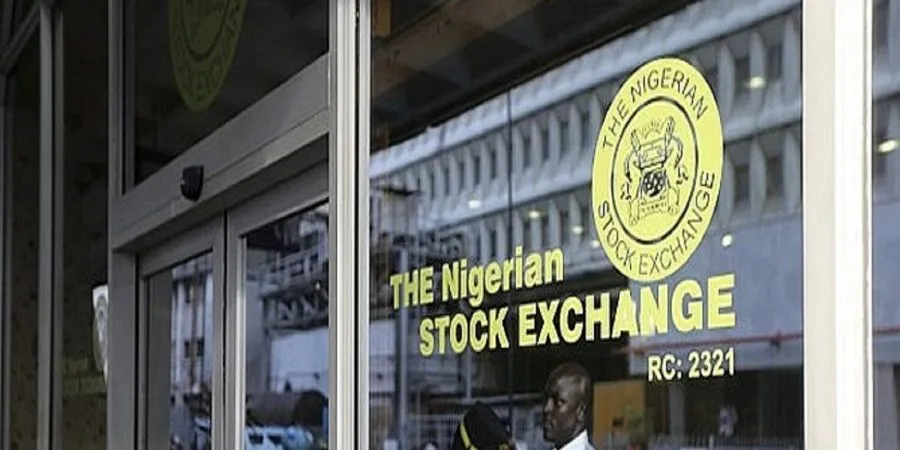

Global conflicts often rattle markets. Stocks tumble, investors panic, and uncertainty spreads fast. Yet, history shows that while many sectors struggle, a few quietly gain attention from investors. The ongoing tension between Iran and United States is already pushing oil prices higher and creating ripples in global financial markets. For Nigeria, this could shift investor focus toward industries that historically benefit during crises.
1. Oil and energy producers
Fears of disrupted supply routes, like the Strait of Hormuz, often push crude prices up. Nigeria, as Africa’s largest crude exporter, benefits when oil earns more per barrel. Investors often watch energy companies during these periods because higher global prices can strengthen revenue and profits.
2. Natural gas and LNG infrastructure
Geopolitical shocks make countries seek alternative energy sources. Nigeria’s vast gas reserves and LNG capacity become more attractive as governments and investors aim for energy security, increasing demand for gas processing and pipeline projects.
3. Power and electricity infrastructure
Energy shocks accelerate investment in domestic electricity systems. Solar mini-grids, grid expansion, and electricity distribution become key focus areas, as reliable power reduces dependence on volatile fuel markets.
4. Agriculture and food production
Wars disrupt global supply chains. When imports become expensive or unreliable, domestic food production gains importance. Investors often pay more attention to Nigerian agriculture and food-processing industries in such periods.
5. Logistics and ports
Trade routes shift during crises. Ports, shipping services, and logistics infrastructure in strategic locations may see increased activity as goods are rerouted or demand rises.
Investor takeaway:
When global tension shakes markets, money rarely disappears it moves. In Nigeria, sectors connected to energy, gas, power infrastructure, agriculture, and logistics are the industries investors often watch when geopolitical shocks reshape the global economy. While uncertainty remains, these sectors tend to emerge as quiet winners amid broader market turmoil.