
For many, dropping old clothes into a donation bin feels harmless. But a lot of what looks like charity ends up creating serious problems in Africa from environmental damage and wasted resources to hurting local industries.
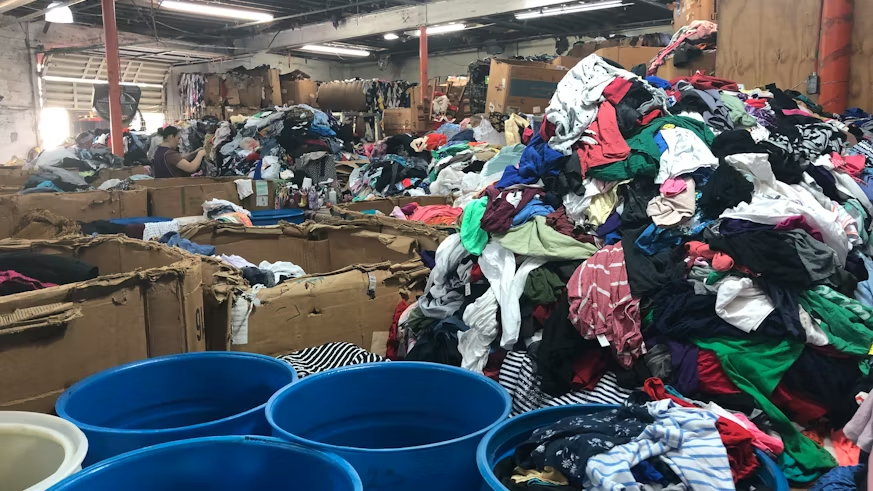
Millions of items of secondhand clothing from the U.S., U.K., Europe and China are shipped to countries like Ghana, Kenya, Cameroon and Tanzania. Some traders earn money sorting and selling these garments, and cheap clothing helps families with low incomes. But the volume is overwhelming: Ghana alone can receive 15 million garments a week, and around 40 per cent of those end up as waste because they’re torn, stained or unsellable. Much of this ends up in landfills, drains and waterways, damaging ecosystems and public health in cities like Accra.
That flood of cheap used clothes also undercuts local textile industries that struggle to compete on price. In Cameroon, for example, local fabric production has collapsed to less than 5 per cent of the market as used clothing dominates. In some countries, this has led to job losses, idle factories and stalled efforts to build domestic fashion sectors.
Governments have tried different approaches. Tanzania raised duties and temporarily banned certain imports to protect local industry, though trade rules tied to deals like the African Growth and Opportunity Act have complicated those efforts.
Experts now call this a global imbalance. Wealthy nations offload their excess clothing while poorer countries bear the environmental clean‑up costs and see their own garment industries decline. The clothes we donate or discard can look cheap at home but wind up as waste and economic strain overseas.