
A new reality of modern warfare is emerging Cheap drones are forcing expensive militaries to rethink their strategy.
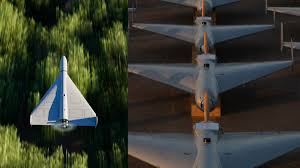
Iran’s widely used Shahed‑136 drone costs roughly $20,000–$50,000 per unit, with many estimates around $35,000. Yet stopping them often requires interceptor missiles that can cost hundreds of thousands to several million dollars each.
This huge price gap is creating what military analysts call a “cost imbalance”.
For example:
A Shahed drone: about $35,000
A Patriot or THAAD interceptor missile: often $500,000 to $4 million or more
In simple terms, a country might spend millions of dollars to destroy a single cheap drone.
Why These Drones Are Hard to Stop
Experts point to three key reasons.
1. They fly “slow and low”
Unlike fast missiles, these drones fly slowly and at low altitude. Radar systems often filter out slow-moving objects to avoid detecting birds or small aircraft, which can allow some drones to slip through defenses.
2. They attack in swarms
Iran often launches many drones at once. Even if most are intercepted, a few can still reach their targets and cause damage.
3. They are easy to mass-produce
The drones are built with relatively simple components such as small engines and basic navigation systems. This allows large-scale production and deployment.
The Bigger Military Lesson
This strategy is known as “asymmetric warfare.”
Instead of matching the United States with equally expensive weapons, Iran relies on large numbers of low-cost systems to stretch and exhaust expensive defenses.
The impact is already visible. Shahed drones have been used in conflicts in Ukraine and the Middle East, where they have targeted infrastructure, military bases, and radar systems.
Why This Matters
The rise of cheap drones is forcing major powers, including the United States Department of Defense, to develop lower-cost defenses, such as interceptor drones, electronic warfare systems, and laser weapons.
In short, modern warfare is shifting from “who has the most advanced weapons” to “who can deploy the most affordable ones at scale.”
Sources: Defense analysis cited by The New York Times, Financial Express, Reuters, Business Insider, and military research on Shahed-136 drones and interceptor missile costs.