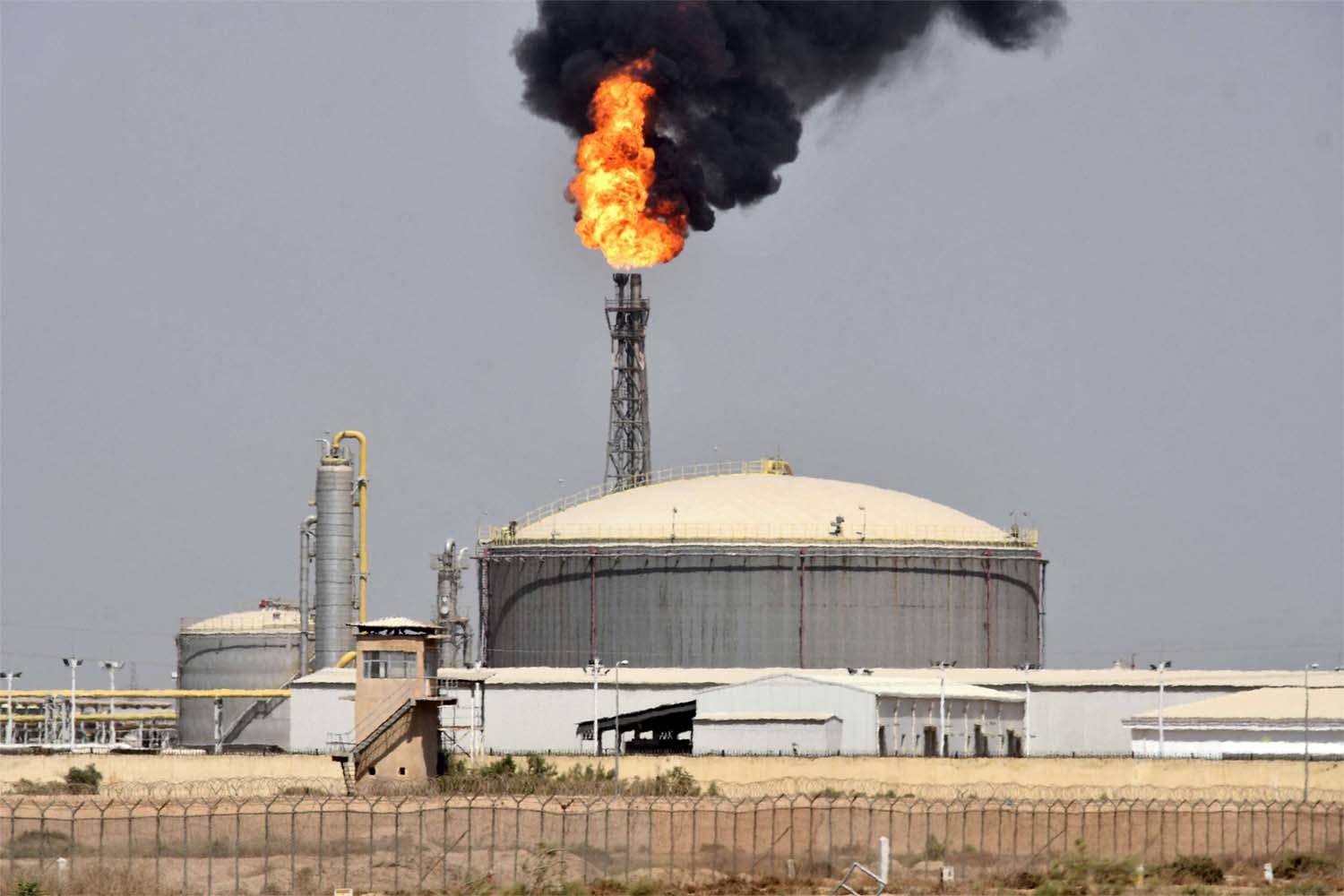

Iraq has stopped operations at all its oil terminals after two foreign tankers carrying Iraqi fuel were struck and set ablaze in waters near Basra and al‑Faw in the Persian Gulf. One crew member was killed and at least 38 others were rescued as the ships burned in Iraqi territorial waters.
\
Iraqi officials described the strikes as a sabotage attack and say the incident infringes on Iraq’s sovereignty. The vessels hit, the Safesea Vishnu and Zefyros, were in Iraqi waters when they were attacked. Authorities are investigating the cause, and Iraq has declared it may pursue legal action over the incident.
Several reports indicate Iranian explosive‑laden boats may have been involved, part of a pattern of attacks on oil shipping linked to the larger Middle East conflict involving Iran, the U.S. and Israel. While some details are still emerging, this fits into a broader campaign of strikes on energy infrastructure and shipping in the Gulf region.
Because Iraq’s economy depends heavily on oil exports, shutting oil port operations is a major disruption. It affects production, workers, and global oil markets already under strain from attacks along key waterways like the Strait of Hormuz. Tanker disruptions also drive shipping insurers to raise rates and shipping companies to reroute or delay voyages, pushing fuel prices higher.
Bottom line: attacks on oil tankers in Iraqi waters have forced Iraq to suspend oil export operations a sign of how the wider Middle East conflict is hitting energy infrastructure and international energy flows at multiple points.