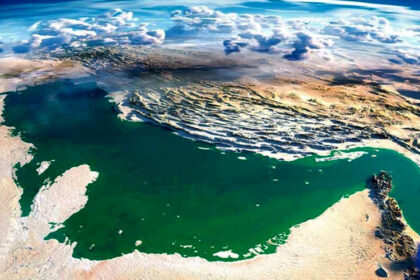

As fighting linked to the US-Iran continues to shake the Middle East, drivers across the world are already feeling the impact at the pump.
.
A report by Al Jazeera shows petrol prices have risen in at least 85 countries since the conflict began. The increases are strongest in parts of Asia, where many economies rely heavily on oil shipments moving through the Strait of Hormuz, one of the most important oil routes on earth.
Where petrol prices are rising the fastest
Data cited in the report shows some countries seeing sharp increases within days:
Vietnam
Petrol price jumped by about 50 percent, rising from roughly $0.75 per litre to $1.13.
Laos
Prices increased by around 33 percent.
Cambodia
Petrol costs rose close to 19 percent.
Australia
Drivers have seen increases of about 18 percent.
United States
Average petrol price climbed roughly 17 percent, rising from about $2.94 to $3.58 per gallon.
Why the shock is spreading
The concern is simple. Much of the world’s oil passes through the Strait of Hormuz, the narrow sea route between Iran and Oman.
According to energy data cited by Al Jazeera, roughly one fifth of global oil supply moves through that corridor. Any threat to shipping there pushes global oil prices upward almost immediately.
What it means for everyday people
When oil prices rise, petrol stations respond quickly. Transport costs climb. Food prices often follow because trucks, ships, and planes all depend on fuel.
In simple terms, a conflict thousands of kilometres away can start affecting the cost of transport, food, and daily living across the world within days.
For now, the war around Iran continues. And so does the pressure on fuel prices worldwide.