

Not long ago, most African billionaires stayed far from social media. Today some of them post about family, travel, fitness routines, philanthropy and personal reflections. It raises a simple question many Nigerians are asking: why are the continent’s richest people becoming more visible online?
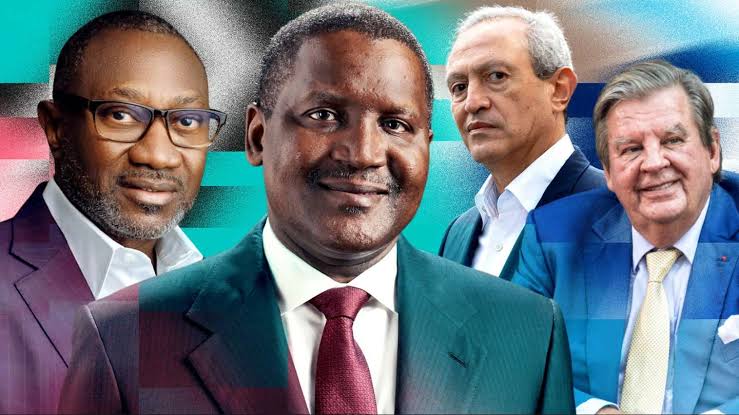
Africa has 22 billionaires with combined wealth above $100 billion, according to Forbes data. The biggest names include Aliko Dangote, Johann Rupert, Nicky Oppenheimer and Mike Adenuga. Many traditionally kept extremely private lifestyles, with little public access to their personal lives.
But something is changing.
The New Trend: Billionaires Going Public
Across Africa, several wealthy business leaders now post or allow posts that show parts of their personal lives.
Examples include:
- mentoring posts from Strive Masiyiwa
- philanthropic updates from Mohammed Dewji
- business-lifestyle coverage around Aliko Dangote projects
- football leadership visibility from Patrice Motsepe
Some share:
- travel photos
- family celebrations
- charity activities
- private jets and luxury events
- personal reflections on leadership
This kind of visibility was rare among African billionaires twenty years ago.
Why Are Billionaires Suddenly More Visible?
There is no single confirmed explanation. But analysts who study leadership and business communication point to several likely reasons.
- Reputation Control
Social media lets powerful people control their own narrative rather than rely only on journalists.
Posting directly allows billionaires to show:
- what they care about
- how they work
- what their companies represent
This reduces dependence on traditional media coverage.
Communication researchers note that public figures increasingly use social media for “direct audience engagement”, bypassing traditional gatekeepers.
Source: Harvard Business Review research on leadership communication.
- Influence Is Now Digital
Influence used to come mainly from:
- boardrooms
- business deals
- political connections
Today influence also comes from online visibility.
A business leader who regularly shares ideas online can shape conversations about:
- entrepreneurship
- policy
- African development
That influence can extend far beyond their companies.
- Attracting Global Investors
Visibility can also help business expansion.
When global investors research African companies, they often look at:
- leadership credibility
- transparency
- public perception
Active digital communication can make leaders appear more accessible and accountable.
- Speaking Directly to Young Africans
Africa has one of the youngest populations in the world, with a median age below 20 according to the United Nations.
Young Africans spend large amounts of time on social media platforms.
Billionaires who want to influence the next generation increasingly speak where young people are already listening.
- Soft Power and Legacy
Some billionaires appear to be shaping how history will remember them.
Sharing stories about:
- philanthropy
- mentoring
- African development
can shape long-term reputation.
This is similar to how global figures like Bill Gates and Elon Musk built public identities beyond their companies.
What This Means for Nigerians Watching Online
For many Nigerians scrolling social media, this visibility changes how wealth and power are perceived.
Instead of mysterious business figures, people now see:
- daily routines
- personal opinions
- leadership philosophy
This can make billionaires appear more relatable.
But it also creates new debates.
The Possible Implications
- Inspiration
Young entrepreneurs may feel motivated when they see successful Africans sharing real stories of business growth.
- Transparency
Public visibility can create pressure for accountability. When leaders speak openly online, their actions are more closely scrutinised.
- Public Pressure
The flip side of visibility is criticism. A billionaire who shares lifestyle content may face questions about inequality or wealth gaps.
- Celebrity-Style Business Leadership
Some analysts believe African business leaders are gradually becoming public personalities, similar to tech founders in the United States.
The Bigger Picture
Africa’s billionaire class remains small compared with other regions.
For example, Forbes reports the United States has hundreds of billionaires, while Africa has just over twenty.
This means each African billionaire tends to receive outsized attention online.