
The United States is reportedly moving some of its missile defence systems from South Korea to the Middle East amid the war with Iran. Even though this news is far from Nigeria, the global tensions behind it can still affect fuel prices, exchange rates and international trade things Nigerians feel in their wallets.
What Happened in Simple Terms
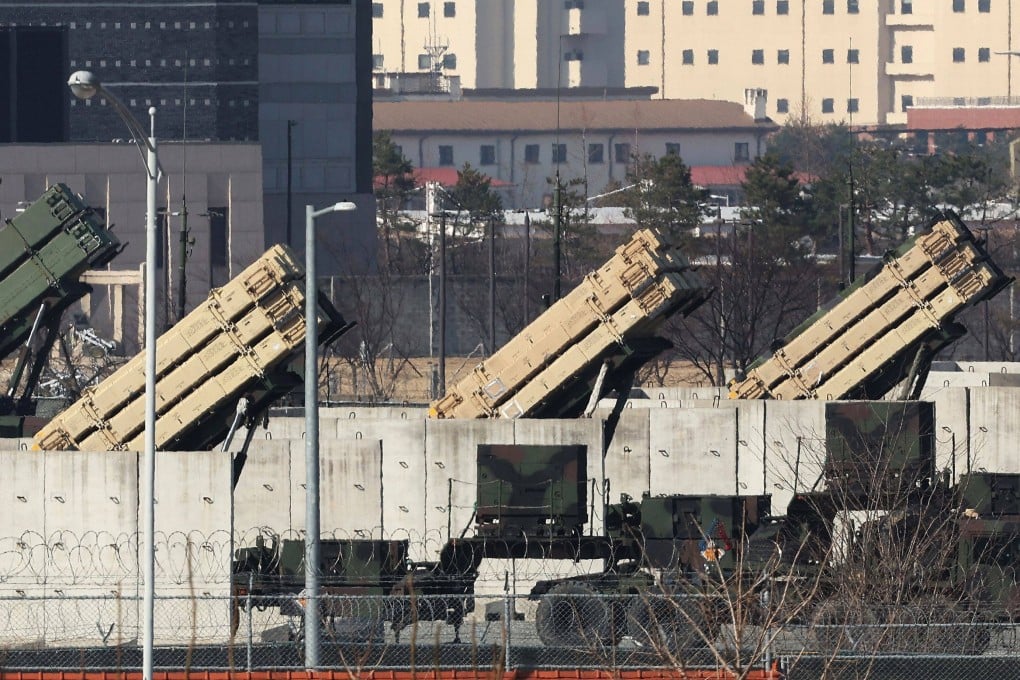
The United States has had powerful missile defence systems including the THAAD and Patriot missiles stationed in South Korea to help protect against threats from North Korea. These systems help detect and intercept enemy missiles before they hit their targets.
But because of the ongoing war between the US (and its allies) and Iran, Washington has begun shipping some of these missile defence assets to the Middle East to strengthen its position there. South Korea’s government says it doesn’t like the change, but it can’t stop it.
In plain language: a big military ally is pulling weapons from one region to use in another because it sees a bigger threat there and that’s shaking up geopolitical balance.
Why Nigerians Are Talking About It
You might think this is only about military strategy halfway across the world. But we see the effects of international tensions in real daily life especially when it touches oil, currency and trade:
- Fuel Prices Could Spike Again
Conflict in the Middle East especially around key routes like the Strait of Hormuz often drives global oil prices higher. That usually ends up reflected in petrol and diesel prices here in Nigeria.
- Exchange Rates Can Fluctuate
Global uncertainty makes investors move money into “safe assets,” which can weaken emerging market currencies like the naira. That means importers pay more for goods and everyday prices can rise.
- Global Trade Becomes More Expensive
When big powers shift military focus, global shipping insurance costs go up, freight costs rise and traders pass that cost to consumers again pushing prices higher in local markets.
What the Main Players Are Saying
South Korea’s leaders are uneasy and want reassurance the redeployment won’t weaken their security especially with ongoing threats from North Korea. But they also admit they don’t have the power to stop the moves.
In the Middle East, the redeployment is connected to the war in Iran, where tensions are already impacting global oil markets and trade routes.
Military analysts also warn that shifting assets like THAAD and Patriot missile batteries could reflect the US’s attempt to prioritise defence needs in the Middle East over other regions a move that makes allied countries like South Korea nervous.
What This Means for Nigeria in Everyday Language
Even if Nigerian leaders don’t debate this in Abuja, the effects can show up in:
Higher petrol and diesel prices
More expensive food and imports
Pressure on the naira in the foreign exchange market
Higher cost of doing business because fuel and transport costs rise
These are everyday realities Nigerians feel long before they read a foreign newspaper headline.
Bottom Line
This is a story about global tension, prioritisation of military resources, and shifting alliances. But you don’t need to understand every weapon system involved what matters for Nigerians is how far‑away wars and strategic shifts can push costs up here at home.
When big powers shuffle weapons because of conflict, the effects are not just high‑level politics they often end up at the pump, in market prices and in how far the naira stretches.