
A big fight is brewing between African financial leaders and global credit raters and it could make borrowing money more expensive for Nigeria if nothing changes
What’s Going On?
Big global credit rating agencies like Fitch Ratings, S&P Global Ratings and Moody’s Investors Service are the firms that give grades to countries and big banks on how risky they are for lenders. These grades matter because they influence how much interest countries pay when they borrow money. (Ratings Agency Basics)
A controversy has reignited after the African Export‑Import Bank (Afreximbank) publicly ended its relationship with Fitch, claiming the downgrade it received didn’t reflect the bank’s true strength and role in African development. Current ratings viewed its operations as riskier than Afreximbank believes they are.
That decision sent a strong message: African leaders are upset that their institutions and countries are being judged unfairly by foreign agencies.
Why Nigerians Should Care (No Finance Degree Needed)
Here’s why this credit rating argument matters to ordinary people in Lagos, Abuja, Kano or even towns far from Wall Street:
- Ratings Affect How Expensive Borrowing Is
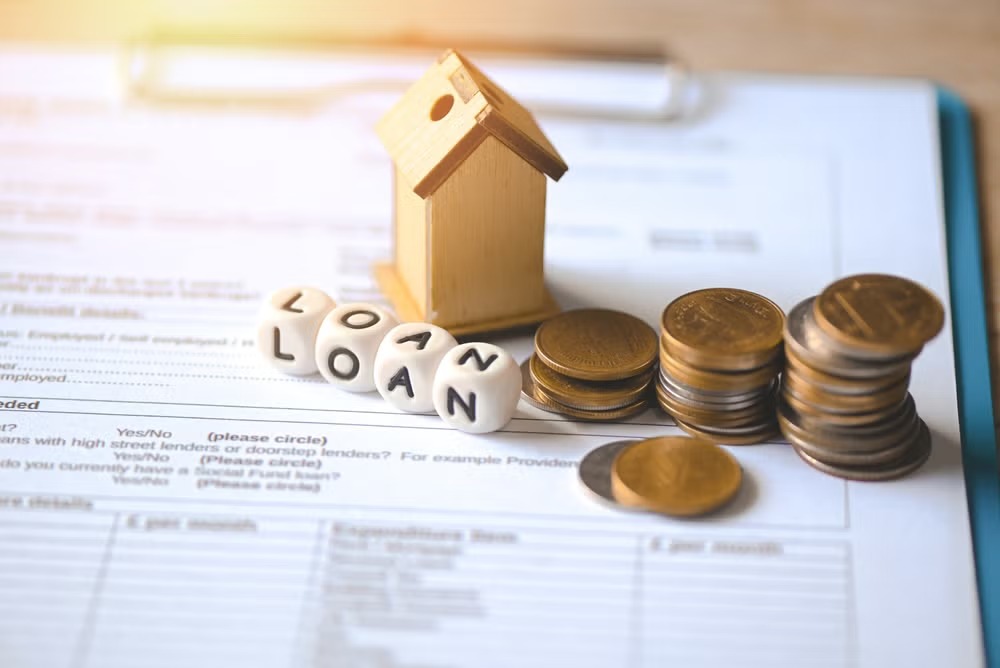
When Nigeria or any African country borrows money from international markets, credit grades influence interest rates. A lower rating usually means:
- Higher interest costs
- More expensive loans for government projects
- Less money left for schools, health or roads
This can indirectly affect everyday life more expensive public services and cuts in spending. (Credit Rating Impact)
- Africans Think the System Is Skewed
Many African officials and economists say these global agencies tend to put African nations in tougher boxes compared with developed countries sometimes overweighing debt levels and not considering local realities. Critics argue this pushes up borrowing costs unnecessarily. (Bias Claims)
- Afreximbank’s Case Shows Larger Frustration
Afreximbank’s decision to break away from Fitch is not just about one bank. It highlights a broader trust gap between African financial institutions and foreign raters. African leaders argue these agencies rely on models that don’t show the whole picture of how their economies or banks operate. (Afreximbank & Fitch Rift)
The Bigger Picture: Uneven Playing Field
For decades, the “Big Three” credit raters have dominated the global market. Critics say the rules and models they use are often made with Western economies in mind, not those in Africa. A situation some call an “Africa risk premium.” That means African countries often pay more interest when borrowing. (Ratings Market Dominance)
Because of this, there have been calls for African nations to create their own credit rating agency. One that understands local contexts and doesn’t charge an unfair cost for being “African.” Some analysts say this could help reduce borrowing costs and better reflect the continent’s real strengths. (African Union & Credit Agency Debate)
What This Means in Everyday Terms
If credit ratings stay unfavourable:
- Nigeria could pay more to borrow internationally. Meaning less money for essential public projects.
- Businesses looking for loans from global lenders might pay more. This can trickle down to everyday Nigerians in the form of higher prices.
- Investors may shy away from African markets if they think risk is higher than it actually is, limiting economic opportunities.
But if reforms happen or a fairer African rating system takes hold it could:
- Lower borrowing costs for Nigeria
- Encourage investment
- Improve business confidence
Summary: A Controversy With Real‑Life Impact
What started as a dispute between a bank and a rating firm is part of a bigger debate about fairness in global finance.
For regular Nigerians whether you’re a trader, a worker, a student or business owner the outcome could affect loan costs, government spending, prices, and ultimately how easy (or expensive) it is for Nigeria to finance growth.