
What Nigerians Should Know
What’s happening
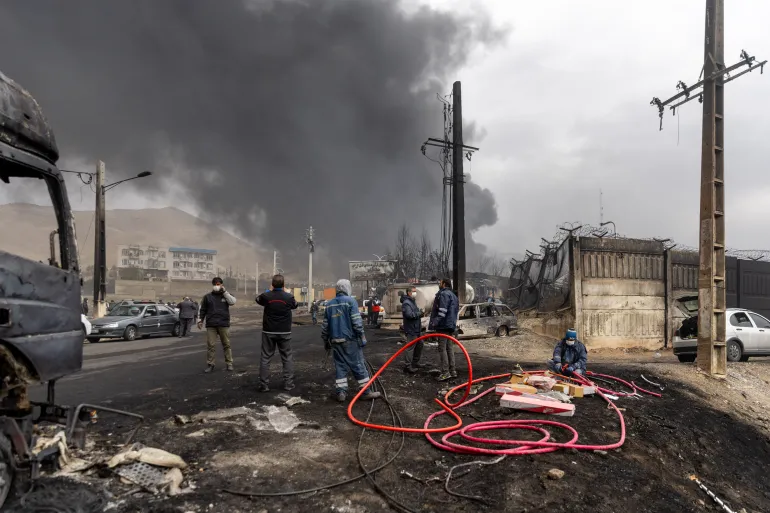
Iran has shifted its war strategy. Instead of striking back only when attacked, it’s now planning continuous attacks across the region.
- Hundreds of missiles and thousands of drones have already been launched since February 2026.
- Targets include strategic sites and oil shipping routes near the Strait of Hormuz, through which 20% of the world’s oil passes daily.
Why this matters for the world
- Global oil prices spiked above $100 per barrel immediately after the announcement.
- Shipping insurance for tankers surged moving crude now costs more.
- Energy markets are jittery; even a short disruption could affect global fuel supply.
Why Nigerians should care
Fuel Prices: Nigeria imports a large portion of refined petrol. Global oil spikes often hit local pump prices.
Inflation: Higher fuel means higher transport costs → higher food and goods prices.
Government Revenue: Higher global crude prices could boost earnings from exports, but volatility brings uncertainty.
Key Numbers to Watch
- 20% global oil that passes through Strait of Hormuz daily
- $100+ per barrel oil price during early escalation
- Hundreds/thousands missiles and drones reportedly launched
The Takeaway
Iran’s shift from “tit-for-tat” retaliation to continuous strikes signals a longer, more unpredictable phase of the conflict.
For Nigerians, that ripple can reach the forecourt, market, and electricity bill faster than many expect.
Stay alert, watch global oil developments, and plan accordingly.