

Higher fuel costs, more expensive goods, and weaker naira. Here’s how a war halfway across the world can hit ordinary Nigerians right at the petrol station and in the market.
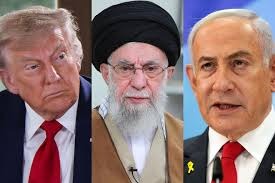
This War Isn’t Just Tanks and Missiles. It’s Money Too
Globally, people are talking about war and politics. But there’s a big economic side to the conflict between the United States and Iran most Nigerians don’t hear about in daily news. According to Financial Times, economists warn that the fighting has serious effects on oil prices, supply chains, markets, and cost of living across the world.
For Nigerians, this matters because Nigeria imports a lot of oil‑linked products and fuel prices locally are heavily influenced by what’s happening in global markets. When something pushes up the price of oil internationally, Nigeria often feels that in higher petrol costs and supermarket prices.
Oil Prices and Daily Costs Go Up
One of the first places a war hits is the price of oil. Most oil exports in the world pass through narrow sea routes such as the Strait of Hormuz. Because of the conflict, those routes have been disrupted, causing global energy prices to spike.
That means:
- Petrol prices in Nigeria could climb quickly
- Diesel costs rise, hurting transport and businesses
- Cooking gas and electricity costs go up
- Prices of bread, rice, and food items increase because transport costs jumped
This isn’t theoretical. Even in the U.S. and Europe, petrol prices have jumped sharply since the war began.
More Expensive Goods at the Market
When fuel prices rise, transport costs go up too and that makes food, building materials, and everyday goods more expensive. Farmers and traders often budget fuel for transportation, and if petrol diesels go up, they pass that cost on to consumers.
This is one reason markets in many countries including Nigeria see inflation creep up when global fuel prices rise.
Nigeria’s Economy Could Suffer Too
Nigeria is an oil‑producing country, but it still imports a lot of refined fuel and industrial goods. So disruption to global oil supplies doesn’t automatically help Nigerian finances the way many think.
Additionally:
- Nigeria’s currency, the naira, might weaken further because of global uncertainty and capital flight (money moving out of riskier markets).
- Imports become costlier because Nigerians pay more foreign exchange for fuel and goods.
- Government revenue from oil could be unstable if buyers find alternatives.
The economic shock is being felt everywhere. Rating agencies have warned that emerging market economies like Nigeria’s could come under pressure because of energy price shocks and weaker investor confidence.
Everyday Nigerians Are Already Feeling It
On social media and in conversations:
- Commuters complain fuel price warnings appear weeks before increases
- Traders say food prices are already rising
- Transport unions warn of fare hikes
These reactions reflect what economists mean by “economic ripple effects” small changes in one major sector (like oil) lead to noticeable changes in daily life elsewhere.
Why Even Developed Countries Are Worried
Even wealthy governments and central banks are reacting:
- Savings and borrowing costs are shifting
- Some economies could slow down as inflation bites
- Growth prospects are dampened because high energy costs squeeze spending and investment
This shows that even strong economies aren’t immune to the ripple effects of a prolonged conflict.
Final Takeaway
A war far from Nigeria may feel distant, but its impact reaches Nigerian pockets in these real ways:
- Petrol and diesel prices likely to rise
- Everyday goods become more expensive
- Exchange rates may weaken
- Economic growth slows when costs go up
What Nigerians want more than anything is stability at the pump and in the market and for global events like this conflict to stop being a surprise shock to living costs.