
By using this site, you agree to the Privacy Policy and Terms of Use.
Accept
MOTPOST

Smart News for the Social Generation.

  • Home
  • Nigeria
    • Economy & Business
    • Nigeria -focused Opinion
    • Policy & Governance
    • Society & Data
  • Markets
    • Banking & Finance
    • Capital Markets
    • Energy & Commodities
    • Market Data / Charts
    • Trade & Investment
  • World
    • Africa
    • Geopolitics
    • Global Economy
    • International Markets
  • Explainers
    • Data & Statistics Stories
    • Policy Explainers
    • Research Summaries
    • Visual / Video Explainers
  • Culture
    • Entertainment Economy
    • People & Public Life
    • Pop Culture & Influence
    • Social Pulse
Reading: ₦198 Billion Less Cash in Circulation: What the New CBN Numbers Mean
Share
MOTPOSTMOTPOST
Font ResizerAa
Search
  • Home
  • Nigeria
    • Economy & Business
    • Nigeria -focused Opinion
    • Policy & Governance
    • Society & Data
  • Markets
    • Banking & Finance
    • Capital Markets
    • Energy & Commodities
    • Market Data / Charts
    • Trade & Investment
  • World
    • Africa
    • Geopolitics
    • Global Economy
    • International Markets
  • Explainers
    • Data & Statistics Stories
    • Policy Explainers
    • Research Summaries
    • Visual / Video Explainers
  • Culture
    • Entertainment Economy
    • People & Public Life
    • Pop Culture & Influence
    • Social Pulse
Follow US
  • Home
  • About Us
  • Contact
  • InterestsNew
  • My Bookmark
© 2026 MOTPOST. All Rights Reserved
MOTPOST > Markets > Banking & Finance > ₦198 Billion Less Cash in Circulation: What the New CBN Numbers Mean
Banking & FinanceData & Statistics StoriesEconomy & BusinessNigeria

₦198 Billion Less Cash in Circulation: What the New CBN Numbers Mean

Oladipupo Tijani
Last updated: March 16, 2026 11:03 am
Oladipupo Tijani
Published: March 16, 2026
Share
SHARE

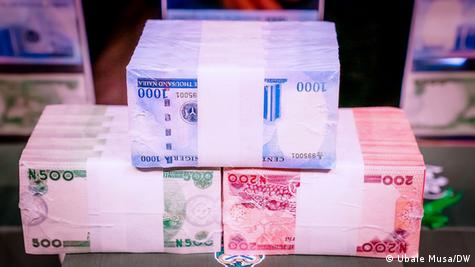
Recent data from the Central Bank of Nigeria show that cash held outside banks dropped by about ₦198 billion, while Nigeria’s money supply also declined slightly. These figures come from the CBN’s monthly Money and Credit Statistics.

Contents
    • 1. What cash outside banks means
  • 2. Why the figure fell
    • Monetary tightening
    • More digital payments
    • Seasonal spending patterns
    • Liquidity management by the central bank
  • 3. Why money supply also dipped
  • 4. What this means for the economy
  • 5. What the average Nigerian may notice

1. What cash outside banks means

This refers to physical naira notes people keep outside the banking system
Examples include:

Money kept at home

Cash held by traders and businesses

Informal sector cash transactions

CBN data show Nigeria has one of the highest shares of cash outside banks globally, meaning a large part of the economy still operates in cash.

2. Why the figure fell

According to CBN monetary trends, several factors usually drive this type of movement.

Monetary tightening

The CBN has raised interest rates multiple times to reduce inflation.
When this happens, less money circulates in the economy.

More digital payments

Bank transfers, POS payments, and mobile banking continue to grow.
This reduces the need for people to hold large amounts of physical cash.

Seasonal spending patterns

Cash often rises during festive periods and falls afterward as money returns to banks.

Liquidity management by the central bank

Policies such as higher reserve requirements for banks can also reduce cash circulation.

3. Why money supply also dipped

Money supply (often called M2) includes:

Physical cash

Bank deposits

Other liquid financial assets

When money supply falls, it usually means:

Banks are lending less

The central bank is tightening liquidity

Government spending or borrowing has slowed

These actions are often taken to control inflation and stabilize the currency.

4. What this means for the economy

The implications can go both ways.

Positive effects

  1. Lower inflation pressure
  2. More transactions moving into the formal banking system
  3. Better transparency and tax tracking

Possible negative effects

  1. Slower business activity
  2. Reduced access to credit
  3. Lower consumer spending

5. What the average Nigerian may notice

For everyday people, the effects often appear as:

Higher borrowing costs

Banks being stricter about loans

Continued push toward cashless payments

Possible moderation in price increases over time

Editorial note:

The numbers from the Central Bank of Nigeria suggest the authorities are tightening money in the system. The goal is to slow inflation and move more economic activity into the banking sector.

Lagos Housing Crisis Forces UNILAG Lecturers to Sleep in Offices. Here’s Why It’s Happening
9 Most Beautiful Mountains Of The World For Trekkers In This Summer
How to Take the Perfect Instagram Selfie: Dos & Don’ts
$750M Power Shake-Up in Nigeria Has Global Investors on the Edge
6 Reasons Why You Should Travel with Friends
Share This Article
Facebook Email Print
Leave a Comment

Leave a Reply Cancel reply

Your email address will not be published. Required fields are marked *

Follow US

Find US on Social Medias
FacebookLike
XFollow
InstagramFollow
TiktokFollow

Weekly Newsletter

Subscribe to our newsletter to get our newest articles instantly!
Popular News
GeopoliticsWorld

Why Is Israel Bombing Lebanon Again? The Conflict Explained

Oladipupo Tijani
Oladipupo Tijani
March 14, 2026
Africa’s Billionaires Are Showing Their Private Lives Online. Why the Sudden Shift?
Trending video shows crowds of travelers stranded at Dubai airport.
Why Iran’s New Leader Has Been Missing and What Reports Say About His Injury
Could the Middle East Go Dark If Iran’s Power Grid Is Attacked?
- Advertisement -
Ad imageAd image
MOTPOST

MOTPOST delivers clear, data-driven journalism on Nigeria, markets, and world affairs for informed decisions daily.

Facebook X-twitter Tiktok Linkedin Instagram
Quick Link
  • Home
  • About Us
  • Contact
  • InterestsNew
  • My Bookmark
Top Categories
  • Culture
  • Explainers
  • Markets
  • Nigeria
  • World

Subscribe to Us

Subscribe to our email newsletter for latest news & updates.

© 2026 MOTPOST. All Rights Reserved.

  • Privacy Policy
  • Terms and Conditions
Motpost
Welcome Back!

Sign in to your account

Username or Email Address
Password

Lost your password?

